Homeschooling is rapidly gaining momentum in 2026, offering families unprecedented flexibility and control over their children’s education. As more parents turn to homeschool lesson plans, the need for clear, adaptable strategies is more important than ever.
This essential guide is designed to help you confidently create, adapt, and optimize your homeschool lesson plans for the year ahead. Inside, you’ll find everything you need, from understanding fundamental planning principles to navigating legal standards and choosing the right curriculum.
Whether you’re curious about tailoring lessons to different learning styles or leveraging the latest technology, this resource empowers you to build a personalized path to academic success and family harmony. Start your journey with this comprehensive guide and craft homeschool lesson plans that truly work for your family.
Understanding Homeschool Lesson Plans in 2026
Homeschool lesson plans have undergone a remarkable transformation in recent years. As families embrace more flexible and customized education, lesson planning has shifted to support a wide range of learning needs and lifestyles. This evolution means that today’s plans are more dynamic, allowing parents to tailor education to fit their children’s unique strengths and interests.
The Evolving Role of Lesson Plans
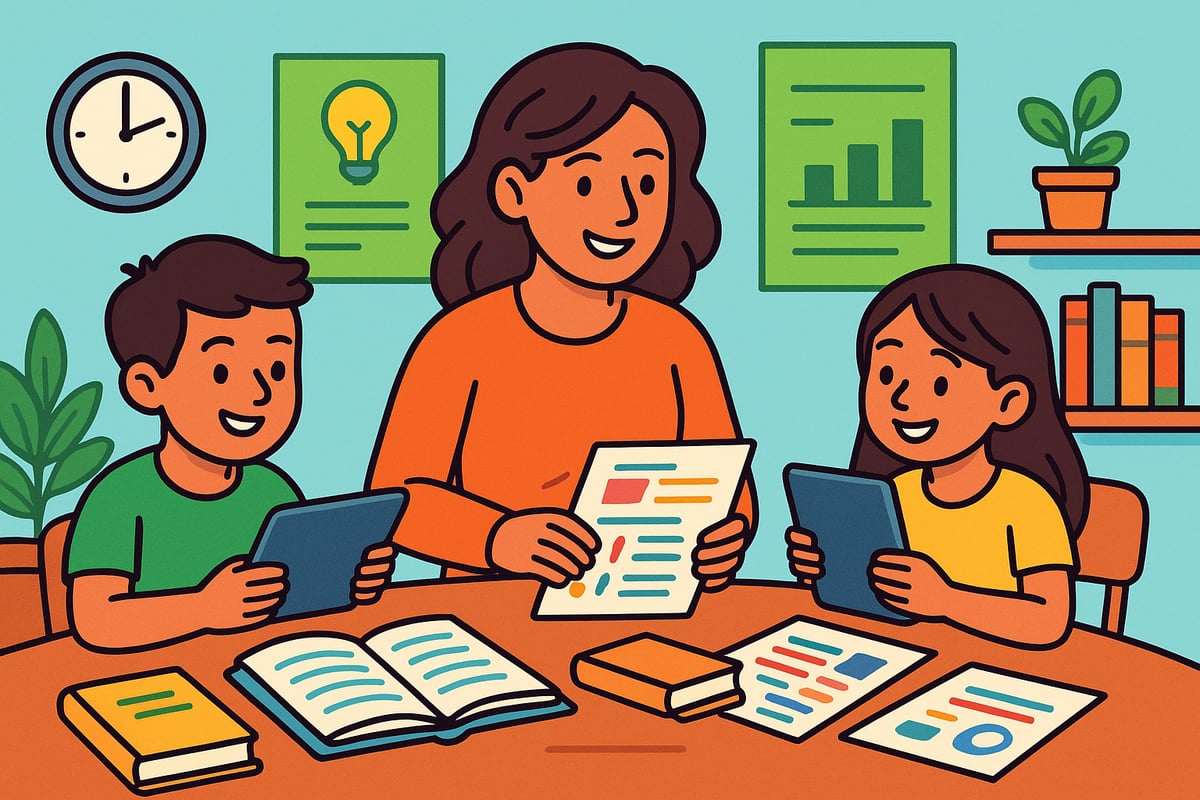
In the past, homeschool lesson plans often mirrored traditional classroom structures. They followed rigid schedules and focused on uniform objectives. However, the landscape in 2026 is much more adaptable. Parents now prioritize personalized, student-centered learning. This approach allows them to design plans that reflect their child’s pace, interests, and goals.
Flexibility is at the heart of modern homeschool lesson plans. Families can balance structure and freedom, adjusting daily activities as needed. For example, some days may focus on project-based learning, while others follow a more classic schedule. This adaptability ensures that learning remains engaging and effective, no matter the family's circumstances.
To illustrate the shift, consider the table below:
| Aspect | Traditional Homeschool Plans | Modern Homeschool Lesson Plans |
|---|---|---|
| Scheduling | Fixed daily/weekly blocks | Flexible, interest-driven |
| Learning Objectives | Uniform, grade-based | Personalized, skill-focused |
| Assessment | Standardized, periodic | Ongoing, feedback-rich |
| Activities | Textbook-centric | Mix of hands-on, digital, and collaborative |
Modern plans empower parents to respond to changing needs, making education a truly individualized journey.
Key Components of Effective Lesson Plans
Effective homeschool lesson plans share several key components. First, they define clear learning objectives and measurable outcomes for each subject. These objectives help guide daily instruction and track progress throughout the year.
Scheduling is another essential element. Plans should outline daily, weekly, and yearly goals, allowing families to maintain momentum while preventing burnout. Core subjects like math, reading, science, and social studies form the backbone of most plans. However, the best homeschool lesson plans also incorporate enrichment activities such as art, music, and physical education.
Assessment and feedback play a crucial role. Regular check-ins, quizzes, and informal discussions help parents identify strengths and areas for improvement. Incorporating these elements ensures a well-rounded education.
Here is a sample weekly breakdown for a homeschool lesson plan:
- Monday: Math, Reading, Science, Art
- Tuesday: Math, Writing, Social Studies, Music
- Wednesday: Math, Reading, Science, Physical Education
- Thursday: Math, Writing, Social Studies, Language
- Friday: Review, Project Work, Field Trip, Reflection
This structure provides consistency while allowing space for creativity and exploration. By integrating core subjects with enrichment activities, families create a balanced and engaging learning environment.
Common Homeschooling Approaches and Their Impact on Planning
There are many philosophies behind homeschool lesson plans, each shaping how families design their days. Classical education emphasizes logic, rhetoric, and classical literature. The Charlotte Mason method focuses on living books, nature study, and narration. Montessori encourages hands-on, self-directed learning with carefully prepared materials.
Unschooling takes a radically student-led approach, letting children pursue their interests at their own pace. Many families blend elements from several methods, creating an eclectic style that fits their unique needs.
Choosing the right approach can greatly influence lesson planning. For instance, a Charlotte Mason-inspired family might schedule daily nature walks and reading, while a Montessori household arranges the environment for independent exploration. According to Fast Facts on Homeschooling, most parents integrate multiple approaches to achieve their educational goals.
Ultimately, the best homeschool lesson plans are those that align with your family’s values and learning objectives. Exploring different methods and adapting as you go ensures a rich, personalized educational experience.
Navigating Legal Requirements and State Standards
Making sure your homeschool lesson plans meet state and local regulations is essential for a smooth and successful homeschooling journey. Each state has its own set of rules, so staying informed and organized will help you avoid unnecessary stress. Understanding these requirements will also ensure your child’s education stays on track and compliant.
Understanding Your State’s Homeschool Laws
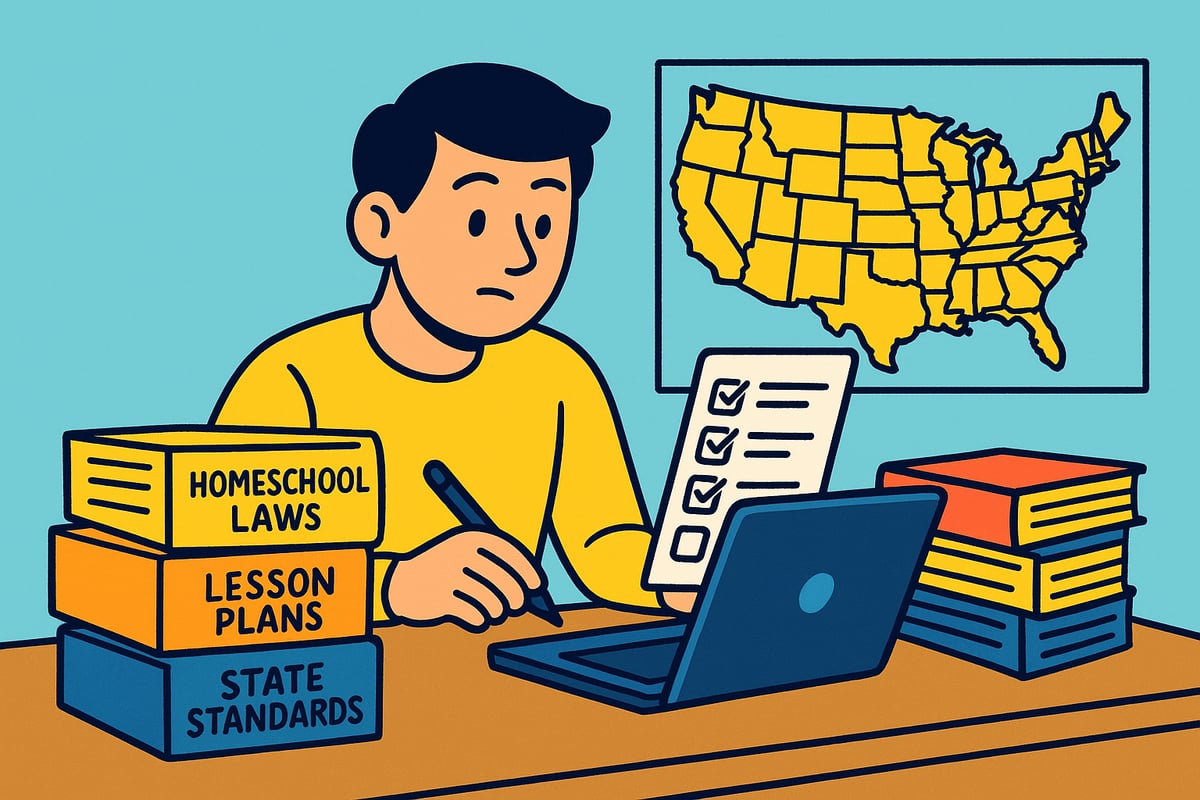
Homeschooling regulations in the United States vary widely. Some states require parents to file a notice of intent, track attendance, teach specific subjects, or submit annual assessments. Others have minimal oversight, giving families more flexibility in their homeschool lesson plans.
To stay compliant, parents should review their state's legal requirements before starting the school year. This includes understanding mandatory subjects, record-keeping obligations, and the process for submitting any required documents. Reliable sources like Homeschooling Requirements by States provide up-to-date information for each state, making it easier to plan accordingly.
Organizing documents in a dedicated binder or using digital tools to store records can simplify compliance. Staying proactive about deadlines and documentation will help protect your right to homeschool and keep your homeschool lesson plans uninterrupted.
Aligning Lesson Plans with State Standards
Once you know your state’s laws, aligning your homeschool lesson plans with required standards is the next step. Many states outline specific subjects that must be taught, such as math, language arts, science, and social studies. Reviewing these standards helps ensure your child receives a comprehensive education.
Families often use planners—either paper or digital—to map out lessons and track progress. Recording hours spent on each subject and keeping samples of student work provide valuable evidence of learning. For example, a simple table can help organize your documentation:
| Subject | Hours Tracked | Sample Work Included |
|---|---|---|
| Math | 120 | Worksheets, quizzes |
| Science | 100 | Lab reports, photos |
By integrating state requirements into your homeschool lesson plans, you can confidently demonstrate compliance during reviews or audits. Making small adjustments throughout the year ensures your plans remain effective and up to date.
Planning for Standardized Testing and Assessments
Some states require homeschool students to participate in standardized testing at specific grade levels. These assessments provide benchmarks for academic progress and may be necessary to maintain your homeschool status. It is important to know when testing is required and how to prepare your child.
Incorporating test preparation into your homeschool lesson plans can be as simple as scheduling practice exams or reviewing test-taking strategies. Balancing these requirements with personalized instruction helps maintain a positive learning environment.
Remember, assessments are just one piece of the puzzle. Use them to inform your teaching and adapt your homeschool lesson plans as needed. Staying flexible will help you meet legal obligations without compromising your child’s unique educational experience.
Choosing Curriculum and Resources for 2026
Selecting the right curriculum and resources is a cornerstone of successful homeschool lesson plans. The options for 2026 are more diverse and customizable than ever, making it possible to design an educational experience that fits your family’s unique goals and learning styles.

Evaluating Curriculum Options
The curriculum landscape for homeschool lesson plans has expanded significantly. Families can now choose from all-in-one curriculums, subject-specific tracks, or modular programs that allow for complete customization. Each approach offers distinct benefits.
| Curriculum Type | Pros | Cons |
|---|---|---|
| All-in-One | Streamlined, easy to follow | Less flexibility |
| Subject-Specific | Depth in chosen subjects | Requires more coordination |
| Modular | Highly customizable | More planning needed |
Digital resources have become increasingly popular, providing interactive lessons and real-time feedback. AI-powered and adaptive learning tools are also emerging, offering tailored instruction for different learners. Despite the digital shift, many families still value print resources for hands-on activities and screen-free time. When building homeschool lesson plans, consider your child’s learning preferences, your teaching style, and the level of structure you prefer.
Sourcing Quality Materials
Finding high-quality materials is easier than ever with dedicated homeschool marketplaces and open educational resources. Platforms like Homeschool Planet let you browse, compare, and purchase lesson plans or curriculum bundles tailored to your needs.
Open educational resources (OER) and free printables provide a cost-effective way to enrich your homeschool lesson plans. For practical ready-made options, Free homeschool lesson plans can help you jumpstart your planning with structured, vetted content.
Many parents mix featured products, exclusive unit studies, and curated reading lists to keep learning fresh and engaging. Always review materials for accuracy, alignment with your educational goals, and adaptability to your child’s interests.
Supplementing with Enrichment and Extracurriculars
A well-rounded education extends beyond academics. Homeschool lesson plans should include enrichment activities such as art, music, physical education, and life skills. These experiences promote creativity, wellness, and personal growth.
Consider integrating:
- Field trips to museums, parks, or science centers
- Co-op classes for group projects and social interaction
- Community programs for sports, drama, or service learning
Nature journals, gratitude journals, and unit studies are excellent for combining multiple subjects and fostering deeper engagement. Enrichment activities can be woven into daily or weekly schedules, making learning both comprehensive and enjoyable.
Budgeting and Planning for Curriculum Purchases
Careful budgeting ensures that your homeschool lesson plans remain sustainable throughout the year. Start by estimating the annual cost of core curriculum, supplemental resources, and supplies. Many families use a blend of paid and free materials to control expenses without sacrificing quality.
Tips for staying within budget:
- Purchase used curriculum from local swaps or online groups
- Utilize digital resources and OER to reduce costs
- Plan purchases ahead to take advantage of seasonal sales
Data shows that mixing both free and paid resources is the most common approach among homeschooling families. By planning ahead and tracking your expenses, you can create effective homeschool lesson plans that meet your educational goals and financial needs.
Step-by-Step Guide to Creating Homeschool Lesson Plans
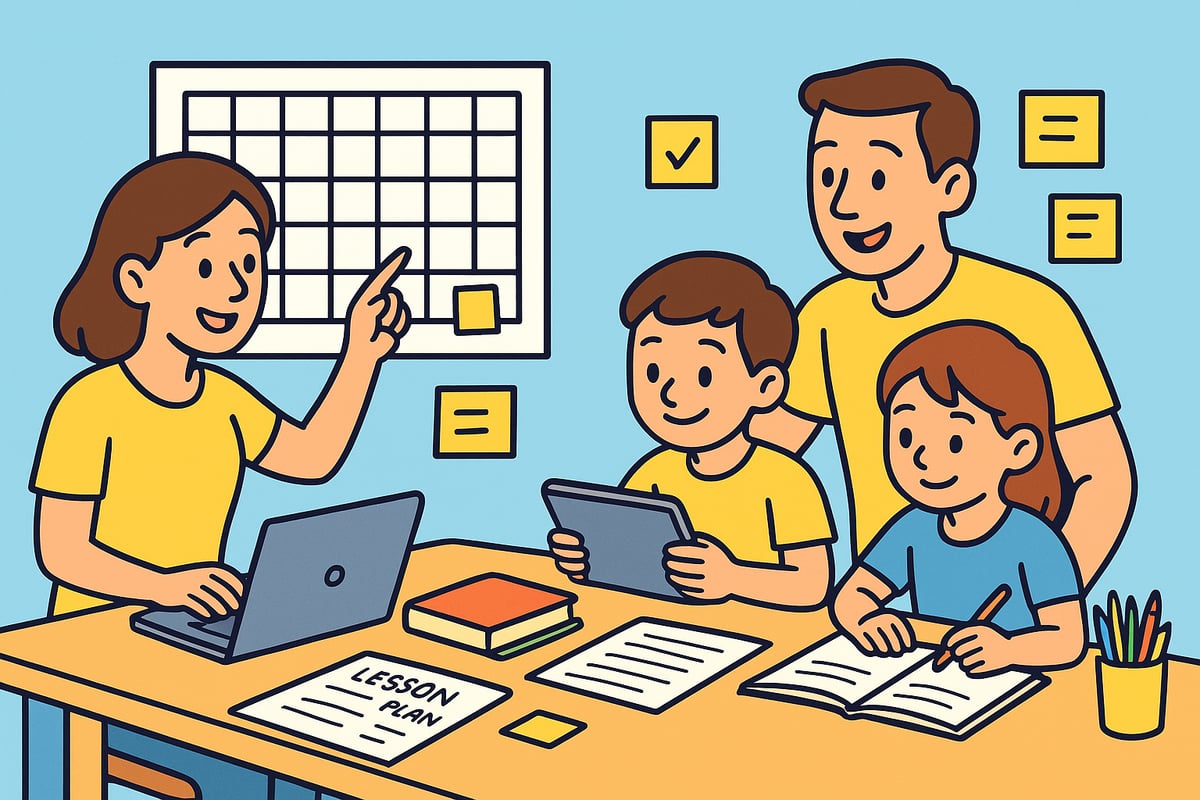
Creating effective homeschool lesson plans is a process that empowers families to deliver personalized, structured education at home. By following a clear, step-by-step approach, you can ensure your plans are thorough, adaptable, and supportive of your child's learning journey.
Step 1: Setting Educational Goals and Priorities
Begin your homeschool lesson plans by clarifying your family's educational vision. Identify academic targets, social skills, and personal growth goals for each child. Align these with state requirements and your family's values.
Use a goal-setting worksheet to map out desired outcomes for the year. For example, your goals might include mastering multiplication, reading five novels, or developing teamwork through group projects. Setting clear objectives will guide your curriculum choices and daily lessons.
Families often find the Simple homeschool planning guide invaluable for organizing and simplifying this foundational step. With your goals in place, your homeschool lesson plans will have both direction and flexibility.
Step 2: Mapping Out the Homeschool Year
Next, create a yearly calendar for your homeschool lesson plans. Decide whether you prefer a traditional academic year, a year-round approach, or a custom schedule that fits your family's needs.
Mark key dates like holidays, vacations, and planned breaks. Consider using a sample calendar template to visualize your year. This overview helps prevent burnout and allows for both structured learning and spontaneous opportunities.
Many families adjust their homeschool lesson plans mid-year, so leave space for revisions. Planning your year in advance ensures a balanced pace and keeps everyone on track.
Step 3: Breaking Down Subjects and Weekly Schedules
Divide your homeschool lesson plans into core and elective subjects. Allocate time for math, reading, science, and social studies, as well as enrichment areas like art or coding.
A weekly block schedule can help you balance subjects and prevent overload. For example:
| Day | Morning | Afternoon |
|---|---|---|
| Monday | Math, Reading | Science, Art |
| Tuesday | Writing | Social Studies |
| Wednesday | Math, Science | Music, PE |
| Thursday | Reading | Project Work |
| Friday | Review, Tests | Field Trip |
This approach helps maintain consistency and ensures all subjects receive attention throughout your homeschool lesson plans.
Step 4: Detailing Daily Lessons and Activities
For each day, outline specific lessons and activities. Include objectives, required materials, and time estimates. A daily plan might look like this:
- Math: Multiplication review (20 minutes)
- Reading: Chapter 3 of assigned novel (30 minutes)
- Science: Hands-on experiment (40 minutes)
- Art: Watercolor painting (30 minutes)
Incorporate review sessions and assessments to reinforce learning. This level of detail provides clarity and keeps both parent and student focused on daily progress within the homeschool lesson plans.
Step 5: Integrating Flexibility and Contingency Plans
Build flexibility into your homeschool lesson plans by scheduling buffer days and catch-up weeks. Life is unpredictable—illness, travel, or unexpected events can disrupt routines.
Plan for these by leaving open days on your calendar. If a lesson is missed, simply shift it to a buffer day. This reduces stress and ensures your plans remain realistic and adaptable.
Contingency planning is essential for maintaining momentum and avoiding frustration when changes arise in your homeschool lesson plans.
Step 6: Organizing and Tracking Progress
Stay organized by using planners, whether digital or paper-based, to track your homeschool lesson plans. Record completed assignments, grades, and milestones.
Consider using progress tracking sheets or checklists for each subject. Regular review helps you identify strengths and areas needing improvement.
Organization is key to long-term success, and a well-maintained system allows you to reflect on achievements while making informed adjustments to your homeschool lesson plans.
Step 7: Reviewing and Adjusting Lesson Plans
Schedule regular check-ins to review your homeschool lesson plans. Assess what is working and what needs change based on student feedback and performance.
Use an end-of-term review checklist to evaluate progress toward your goals. Be open to revising lesson pacing, materials, or activities as needed.
Continuous improvement keeps your homeschool lesson plans effective and ensures your child's educational experience evolves alongside their needs.
Adapting Lesson Plans for Different Learning Styles and Needs
Adapting homeschool lesson plans for different learning styles and needs is essential for effective, personalized education. Every child is unique, and a one-size-fits-all approach rarely delivers the best results. By understanding student strengths and preferences, parents can create a flexible learning environment that nurtures growth and enthusiasm.
Recognizing and Supporting Individual Learning Styles
Children absorb information in various ways, and recognizing these differences is key to crafting effective homeschool lesson plans. Common learning styles include visual, auditory, kinesthetic, and reading/writing preferences. To support each child, tailor lessons to incorporate multiple methods. For example, use diagrams for visual learners, audiobooks for auditory learners, hands-on experiments for kinesthetic learners, and reading assignments for those who prefer text.
Parents can benefit from exploring personalized homeschool planner strategies to seamlessly adapt plans for each learning style. By intentionally varying activities and assessment types, you ensure that every child engages with the material in a way that matches their strengths. This approach not only boosts comprehension but also builds confidence and motivation.
Planning for Multiple Children and Grade Levels
Many families need to design homeschool lesson plans that accommodate children of different ages and academic levels. One effective strategy is to combine subjects such as history or science into family-style unit studies, allowing all children to explore the same topic at their own depth. For core skills like math or language arts, create individualized paths while scheduling overlapping activities when possible.
Consider grouping children for projects, discussions, or field trips to foster collaboration and reduce prep time. Use flexible scheduling and block planning to balance independent work with group learning. This method not only streamlines your day but also encourages siblings to support one another, creating a positive and cooperative learning atmosphere.
Addressing Special Needs and Gifted Learners
Homeschool lesson plans should be adaptable to meet the needs of students with learning differences or those who are gifted. For children with special needs, incorporate strategies from individualized education programs (IEPs) or 504 plans. This might include breaking lessons into smaller steps, using visual supports, or integrating assistive technology.
Gifted learners often thrive with enrichment projects, advanced reading, or self-directed research. Offer opportunities for deeper exploration and creative expression. Regularly assess progress and adjust pacing to ensure that all students remain challenged and supported. Flexibility in lesson planning is critical for honoring each child’s unique abilities and needs.
Balancing Structure and Child-Led Learning
Successful homeschool lesson plans strike a balance between structured instruction and child-led exploration. While it is important to maintain routines and clear objectives, allowing children to pursue personal interests can spark motivation and engagement. Many families find that blending structured lessons with elements of unschooling or project-based learning results in greater satisfaction and retention.
Encourage student input when choosing topics, projects, or enrichment activities. Provide options for how assignments are completed, whether through creative arts, presentations, or research. This hybrid approach empowers children to take ownership of their learning journey while ensuring core academic goals are met.
Leveraging Technology and Online Tools for Homeschool Planning
Modern technology is transforming how families create and manage homeschool lesson plans. With digital tools, online resources, and interactive platforms, planning is more efficient, engaging, and customizable than ever before.
Digital Planners and Scheduling Tools
Selecting the right planner is crucial for organizing homeschool lesson plans. Digital planners offer features like drag and drop scheduling, automated reminders, and easy reporting, which streamline daily management.
Key features to look for include:
- Customizable templates for various subjects
- Integration with calendars and task lists
- Progress tracking and analytics
For a comprehensive comparison of the top planner apps, see Best homeschool planner tools, which highlights platforms designed specifically for homeschool lesson plans. Using these digital tools, families can easily adjust schedules and keep all resources in one place.
Online Curriculum and Interactive Resources
Online curriculum options have evolved, offering adaptive learning and interactive content. Many platforms use AI to personalize homeschool lesson plans based on student progress and interests.
Benefits include:
- Access to virtual labs for science experiments
- Multimedia lessons for diverse subjects
- Interactive modules that engage different learning styles
A well-chosen online curriculum ensures homeschool lesson plans are both rigorous and enjoyable, catering to various academic needs.
Collaboration and Co-op Opportunities Online
Technology connects homeschool families beyond their homes, supporting collaboration and social learning. Online forums, group classes, and resource libraries enable families to share ideas and work together on projects.
Examples of online collaboration include:
- Virtual field trips to museums and historical sites
- Shared science experiments or book clubs
- Group projects facilitated through video calls
These opportunities enrich homeschool lesson plans by incorporating peer interaction and community learning, which are essential for well-rounded development.
Tips for Managing Screen Time and Digital Distractions
While technology enhances homeschool lesson plans, managing screen time is vital. Establish clear boundaries, such as tech-free hours or learning zones, to maintain focus.
Effective strategies include:
- Balancing online and offline activities
- Using timers to limit device use
- Encouraging breaks for physical movement
Studies show that blended learning, combining digital and hands-on experiences, increases knowledge retention and keeps homeschool lesson plans engaging throughout the year.
Expert Tips and Best Practices for Successful Homeschool Lesson Planning
Mastering homeschool lesson plans requires more than just organization, it means proactively building habits and routines that foster success. Explore these expert strategies to help your family thrive and make every homeschool day productive and engaging.
Time Management Strategies for Homeschool Parents
Effective time management is essential for homeschool lesson plans. Start by establishing consistent daily rhythms that suit your family's natural energy levels. Use visual schedules or planners to map out each week, accounting for core subjects and enrichment activities.
Prioritize tasks by creating a weekly prep checklist:
- Review upcoming lessons and materials
- Prepare resources in advance
- Set realistic goals for each day
Small, intentional routines prevent overwhelm and keep homeschool lesson plans on track, making it easier to adjust when unexpected events arise.
Encouraging Student Independence and Motivation
Empowering students to take ownership of their learning is a cornerstone of effective homeschool lesson plans. Encourage self-directed learning by setting clear expectations and teaching students how to use checklists or goal-setting tools.
Incorporate student-led projects into homeschool lesson plans to spark curiosity and build confidence. When children have a voice in their education, they become more motivated and engaged in daily activities.
Fostering independence also lightens the parent's load, allowing for smoother transitions between subjects and more productive use of time.
Building in Assessment and Reflection
Assessment is not only about tests, it is about understanding student progress and adapting homeschool lesson plans accordingly. Use both formative assessments (such as quizzes or discussions) and summative assessments (like end-of-unit projects) to guide instruction.
Encourage students to reflect on their learning each week using prompts or journals. This practice helps identify strengths, address challenges, and celebrate achievements.
To ensure your assessments align with educational requirements, refer to Instruction Time & Subject Requirements for guidance on subject coverage and documentation.
Staying Connected with the Homeschool Community
Building relationships with other homeschooling families is invaluable for both students and parents. Attending local events, workshops, or joining support groups can provide fresh ideas for homeschool lesson plans and reduce feelings of isolation.
Connecting with the community allows you to share resources, collaborate on group projects, and access extracurricular opportunities. According to Confessions of a Homeschooler, community involvement plays a crucial role in minimizing parent burnout and promoting long-term success.
Avoiding Common Pitfalls in Homeschool Lesson Planning
Even experienced homeschoolers can fall into common traps. Here is a quick checklist to keep your homeschool lesson plans effective:
| Pitfall | Solution |
|---|---|
| Overplanning | Build in buffer days and flexible options |
| Under-scheduling | Use a planner to ensure subject coverage |
| Ignoring feedback | Regularly review and adjust plans |
| Skipping self-care | Schedule breaks for both students and parents |
By revisiting and revising homeschool lesson plans regularly, you can adapt to changing needs and maintain a positive learning environment.
As you step into the world of homeschooling for 2026, having adaptable lesson plans and the right tools can make all the difference in your family’s learning journey. With platforms like LearnSpark, you gain access to personalized, AI-powered resources that grow alongside your child—no matter where your travels or interests take you. If you’re ready to simplify your planning, track progress with confidence, and let curiosity lead the way, I encourage you to Create Your Free Account and start building a flexible, inspiring homeschool experience today.