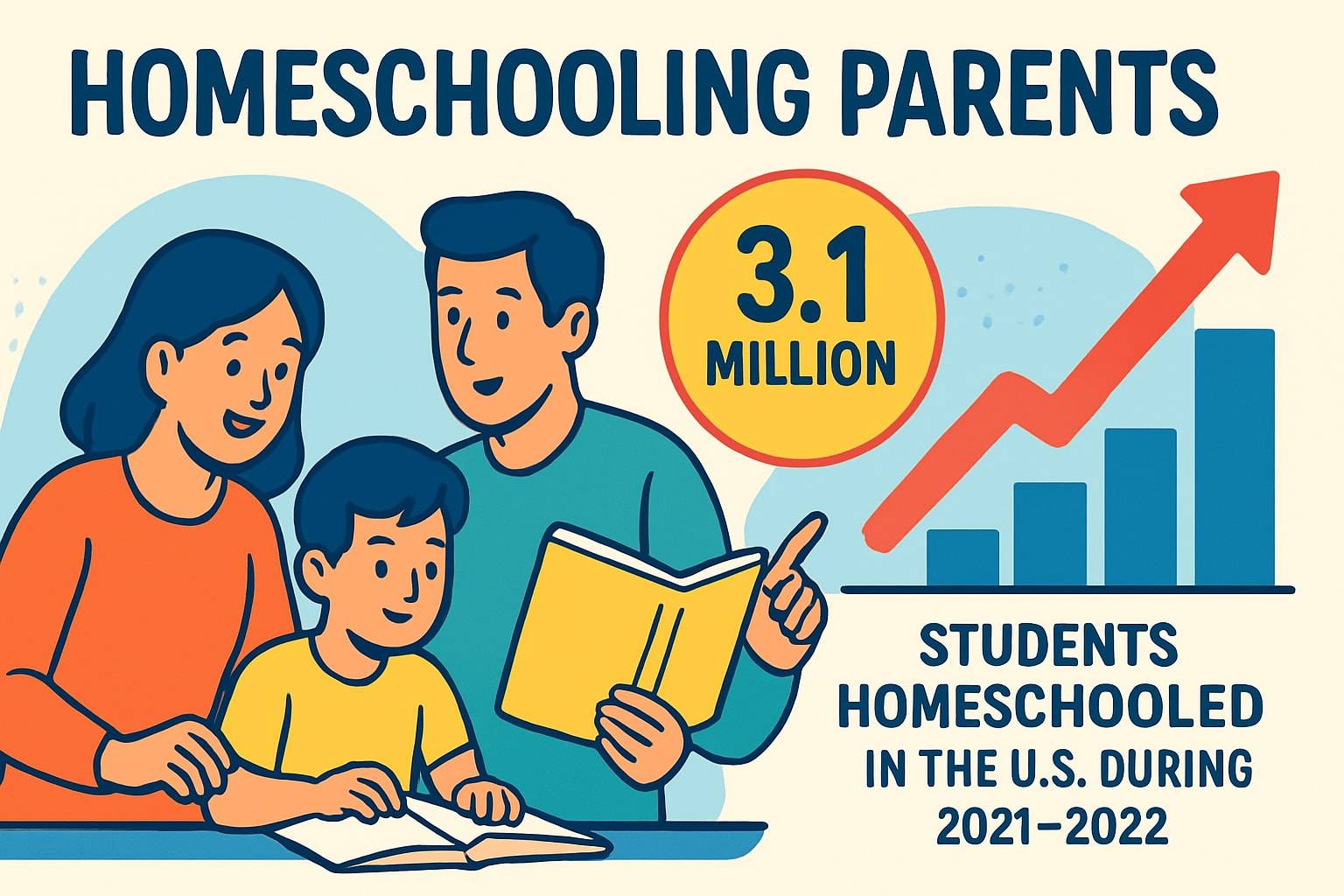
Homeschooling is on the rise, with over 3.1 million students learning at home in the U.S. during 2021–2022. As more families embrace this path, homeschooling parents seek reliable strategies to ensure their children thrive.
This guide equips homeschooling parents with up-to-date insights and proven methods for a fulfilling 2026 journey. You will find essential information on legal requirements, curriculum planning, daily scheduling, socialization opportunities, technology integration, and practical tips.
Discover how the surge in homeschooling is transforming education, and explore actionable advice that empowers you to lead with confidence.
Understanding Homeschooling in 2026: Trends, Laws, and Mindset
Homeschooling parents are at the forefront of a significant shift in education. The number of homeschooled students has climbed steadily, with recent years showing even greater momentum. This change is not just a reaction to circumstances but a reflection of families seeking more personalized, flexible, and effective learning experiences for their children.
The Evolving Landscape of Homeschooling
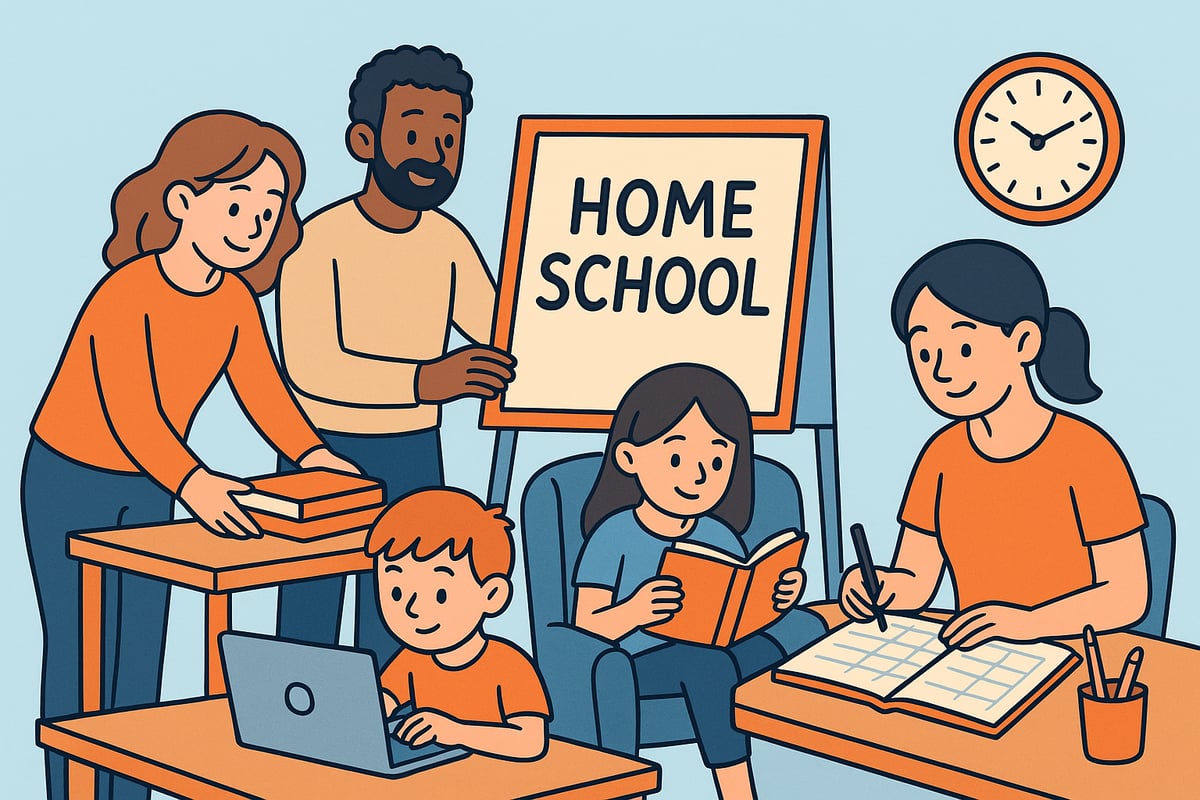
In recent years, homeschooling parents have witnessed remarkable growth in home education. According to national data, over 6 percent of U.S. school-aged children were homeschooled in 2021–2022. The trend has continued upward, fueled by an increasing desire for flexibility, dissatisfaction with traditional school settings, concerns for safety and health, and the ability to tailor learning to each child’s unique needs.
Several major trends are shaping homeschooling in 2026:
- The rise of hybrid and online learning programs, allowing families to combine home instruction with virtual or in-person classes.
- Growing societal acceptance, with more community resources and support than ever before.
- Shifting educational philosophies, as families embrace approaches like unschooling, project-based learning, and classical education.
Global events, such as pandemics, have also accelerated these changes, prompting more families to consider home-based education. For homeschooling parents, mindset is crucial. Success depends on commitment, adaptability, and the willingness to enjoy the learning journey alongside your child. By staying open to new methods and maintaining a positive outlook, families create an environment where children can thrive.
Legal Requirements and State Regulations
Homeschooling parents must navigate a patchwork of legal requirements, as homeschooling is legal in all 50 states, but regulations vary widely. Most states require families to notify their local school district or state education office before beginning homeschooling. Some typical regulations include:
- Submitting a letter of intent or notification to homeschool.
- Keeping attendance records to document instructional days.
- Participating in standardized testing or portfolio reviews, depending on the state.
For example, states like Pennsylvania and New York have more oversight, requiring annual portfolios and assessments, while others such as Texas and Alaska have minimal regulations. It is essential for homeschooling parents to research their own state’s laws thoroughly. Failing to comply can result in legal complications or loss of homeschooling privileges.
Staying compliant protects your family’s educational freedom and ensures your child’s records are in order. Many state homeschool organizations and national advocacy groups provide current information and support for legal questions. Taking the time to understand these requirements gives homeschooling parents confidence and peace of mind throughout their journey.
Common Myths and Realities
Despite its success, homeschooling still faces persistent myths. Some believe homeschooling parents cannot provide adequate socialization, academic rigor, or lack necessary qualifications. In reality, research shows that homeschoolers often outperform their traditionally schooled peers, scoring 15 to 25 percentile points higher on standardized tests.
Socialization is another common concern, yet studies demonstrate that homeschoolers excel in leadership, emotional intelligence, and peer relationships. The diversity among homeschooling parents and their approaches means there is no single way to homeschool. Families adapt their methods to suit their children, leading to outcomes that frequently surpass those of traditional education.
For more research and up-to-date statistics on academic performance and social outcomes, see the Fast facts on homeschooling resource. Homeschooling parents can take comfort in data-backed evidence that their efforts are both valid and highly effective.
Step-by-Step Guide to Starting Homeschooling
Beginning your journey as homeschooling parents can feel overwhelming at first. With careful planning and support, you can create a strong foundation for a successful experience. This guide breaks down each key step, providing clarity and confidence as you transition into homeschooling.
Assessing Your Family’s Readiness
Before diving in, homeschooling parents need to reflect on their motivations and goals. Ask yourself: Why do you want to homeschool? Are you prepared for the commitment involved?
Consider your educational philosophy. Will you follow a structured approach, or does your family value flexibility and creativity? Understanding your child’s learning style, interests, and needs is essential.
Time management is crucial. Homeschooling parents should evaluate their daily schedules and how teaching will fit in. Discuss roles with your partner or other caregivers. Honest conversations can clarify expectations and set everyone up for success.
Withdrawing from Traditional School (if applicable)
If your child is currently enrolled in a school, homeschooling parents must officially notify the school or district. Draft a letter of withdrawal that includes your child’s name, grade, and intent to homeschool. Check your state’s requirements for specific language or forms.
Transitioning can be emotional. Give your child time to adjust, and reassure them about the exciting changes ahead. Academically, review what your child has learned so far to identify any gaps or strengths.
Homeschooling parents should also communicate openly with family members and friends. Sharing your reasons and plans can help build understanding and support.
Setting Up Your Homeschool Environment
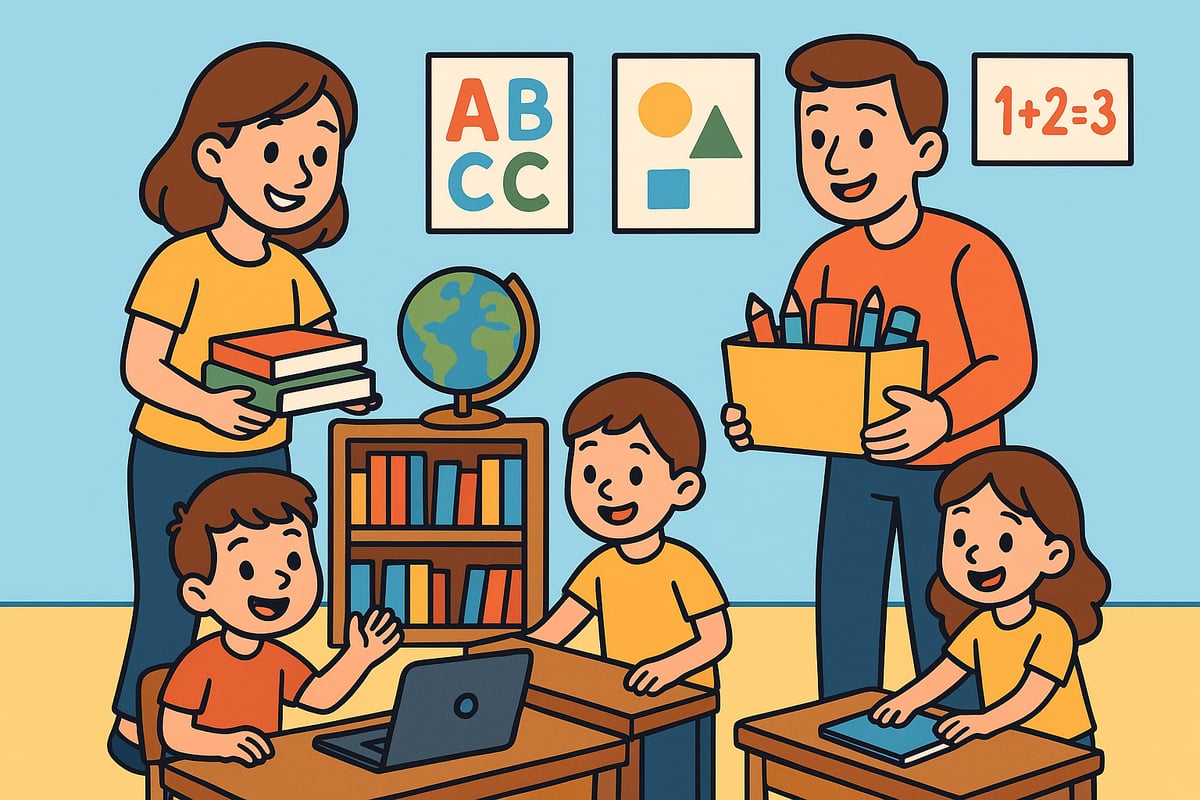
A dedicated learning space helps homeschooling parents create consistency and focus. Choose a spot with good lighting, comfortable seating, and minimal distractions. Some families use a spare room, while others set up a corner in the living area.
Organize supplies in bins, shelves, or drawers. Keep frequently used materials within reach. Include a whiteboard, a world map, or educational posters to make the space inviting.
Flexibility is key. Not all learning happens at a desk. Plan for hands-on activities, outdoor lessons, or cozy reading nooks. Rotate materials to keep the environment fresh and engaging for everyone involved.
Navigating Administrative Tasks
Homeschooling parents must stay organized with paperwork. Most states require attendance records, progress reports, or portfolios. Use planners, apps, or digital tools to track lessons and achievements.
Each state has its own regulations. Some require standardized testing or portfolio reviews, while others have minimal oversight. It is crucial for homeschooling parents to understand their legal obligations. For reliable information, consult the Legal FAQs on homeschooling, which provide clear guidance on laws in all 50 states.
Prepare for evaluations by keeping samples of your child’s work. Staying proactive with documentation will ease stress during reviews.
Connecting with the Homeschool Community
Building connections is vital for homeschooling parents. Seek out local and online support groups or co-ops. These communities offer encouragement, answers, and shared resources.
Participate in group learning activities, field trips, and enrichment classes. Networking can help homeschooling parents find mentors, social opportunities, and new friends for your child.
Many communities organize playdates, sports, and creative projects. Engaging with others not only supports learning but also keeps the homeschooling journey enjoyable and sustainable.
Planning Your Homeschool Curriculum and Schedule
Thoughtful planning is the foundation of a rewarding homeschool journey. For homeschooling parents, organizing your curriculum and daily rhythm ensures your children thrive both academically and personally. This section provides a step-by-step approach to selecting curriculum, customizing learning, building schedules, tracking progress, and maintaining motivation for long-term success.

Choosing the Right Curriculum
Selecting the right curriculum is one of the most important decisions for homeschooling parents. Options include traditional textbooks, online platforms, unit studies, and eclectic blends. Consider your child’s learning style, your family’s values, your budget, and your state’s requirements when making choices.
Curriculum Types:
- Traditional (textbooks, workbooks)
- Online (virtual schools, self-paced programs)
- Unit studies (thematic, project-based)
- Interest-led (child-driven topics)
- Eclectic (mix-and-match approaches)
Each model offers unique benefits. For example, Montessori and Charlotte Mason methods emphasize hands-on and literature-rich learning, while classical and unschooling approaches prioritize different educational philosophies.
Before finalizing your plan, review your state’s instruction time & subject requirements to ensure compliance. This helps homeschooling parents avoid setbacks and build a solid academic foundation.
Customizing Learning for Each Child
Homeschooling parents can personalize instruction in ways that traditional schools often cannot. Start by assessing your child’s strengths, challenges, and interests. Adapt materials for different age groups, and consider combining group and one-on-one lessons as needed.
For example, if your child is fascinated by astronomy, integrate science, math, and creative writing around the theme of space. Multi-age families can teach core concepts together, then assign age-appropriate projects or readings.
Tips for customizing learning:
- Use hands-on activities for kinesthetic learners
- Provide audio resources for auditory learners
- Offer visual aids for visual learners
- Incorporate your child’s hobbies for greater engagement
This flexibility empowers homeschooling parents to nurture confidence and a love of lifelong learning.
Structuring Your Homeschool Day and Year
A well-structured schedule helps homeschooling parents balance academics, play, and family life. There’s no single “right” way to organize your day. Some families prefer block scheduling, focusing on one subject at a time, while others use loop or rotating schedules.
Sample Weekly Schedule Table:
| Day | Morning | Afternoon |
|---|---|---|
| Monday | Math, Reading | Science Project |
| Tuesday | Language Arts | Art, Music |
| Wednesday | History, Geography | Outdoor Learning |
| Thursday | STEM Activities | Group Projects |
| Friday | Review, Free Choice | Field Trip |
Year-round homeschooling is also popular, allowing families to take breaks as needed and avoid burnout. Remember, homeschooling parents should adjust routines to fit their unique rhythms and priorities.
Integrating Assessment and Progress Tracking
Tracking progress is essential for homeschooling parents to ensure their children are meeting academic milestones. Assessment methods can be traditional, such as quizzes and tests, or alternative, like portfolios and project-based evaluations.
Common Assessment Tools:
- Portfolios (samples of student work)
- Quizzes and tests (printed or online)
- Projects and presentations
- Standardized tests (if required by state)
Feedback is crucial. Encourage self-assessment by asking students to reflect on what they’ve learned and where they need help. Maintain organized records to document progress, especially if your state requires annual reviews. This approach supports both compliance and personal growth for homeschooling parents.
Avoiding Burnout and Maintaining Motivation
Homeschooling parents must recognize the signs of burnout in themselves and their children. Scheduling regular breaks and varying activities can prevent fatigue and keep learning fresh.
Strategies to Stay Motivated:
- Plan field trips and hands-on projects
- Invite guest speakers or mentors
- Celebrate milestones and achievements
- Join local co-ops or online groups for support
Building in variety and rest is just as important as academic planning. By prioritizing well-being, homeschooling parents create a sustainable, joyful learning environment that fosters resilience and curiosity.
Socialization, Extracurriculars, and Real-World Learning
The homeschooling landscape has evolved, offering vibrant opportunities for social growth, enrichment, and hands-on experience. As homeschooling parents, you can ensure your child thrives both academically and socially by embracing a wide range of activities and learning environments.

Addressing Socialization Concerns
For homeschooling parents, socialization is a top priority. Research consistently shows that homeschooled students excel in social, emotional, and leadership skills. The ongoing increase in home education—highlighted by the recent homeschooling growth surges to 5.4% in 2024-2025—means more families are seeking and creating new social opportunities.
Children connect with others through co-ops, sports leagues, and community clubs. Homeschooling parents often organize playdates, group projects, and community service events. These experiences foster teamwork, empathy, and resilience.
By actively engaging in these settings, homeschooling parents help their children build friendships and develop strong interpersonal skills. The growing network of homeschoolers makes it easier than ever to find meaningful peer interactions.
Extracurricular Activities and Enrichment
Homeschooling parents have access to an expanding array of extracurricular opportunities. Art, music, language, and STEM programs are available through local organizations and online platforms. Libraries, museums, and nature centers frequently offer classes tailored to homeschoolers.
Consider enrolling your child in:
- Homeschool sports leagues
- Community theater or dance groups
- Science fairs or robotics clubs
These activities allow children to explore new interests and talents. Homeschooling parents can also coordinate group lessons or workshops within their networks. By leveraging local resources, you provide your child with enrichment that complements core academics and encourages lifelong curiosity.
Real-World Learning and Life Skills
One of the strengths for homeschooling parents is the ability to integrate practical, real-world learning. Everyday activities like cooking, budgeting, gardening, and basic home maintenance become valuable lessons.
Field trips and travel-based learning offer unique educational experiences. A visit to a museum can spark curiosity in history or science. Volunteering at a local shelter teaches compassion and responsibility.
Homeschooling parents transform daily routines into opportunities for skill building. Whether running errands or planning a family project, each moment can reinforce problem-solving and independence. This approach helps children connect classroom lessons to real-life situations.
Supporting Special Interests and Talents
Every child has unique strengths and passions. Homeschooling parents are well-positioned to nurture these gifts by adapting instruction and seeking specialized opportunities.
Support for giftedness or special needs might include:
- Working with tutors or specialists
- Finding mentorships or internships in areas of interest
- Enrolling in advanced online courses
Success stories abound of homeschoolers excelling in early college, entrepreneurship, or national competitions. Homeschooling parents champion their children's journeys, encouraging them to pursue ambitious goals. By offering flexibility and support, you help your child unlock their full potential.
Embracing Technology and Innovative Tools in Homeschooling
Technology is transforming how homeschooling parents approach education in 2026. Digital tools now offer ways to personalize learning, streamline organization, and connect with a world of resources. For homeschooling parents, understanding how to harness these innovations is essential for an efficient and engaging homeschool experience.
Integrating Digital Resources
Homeschooling parents have access to a growing list of digital resources that enhance learning. Online curriculum platforms, educational apps, and interactive websites make it easier to tailor instruction to each child. These tools can boost engagement through videos, games, and real-time feedback.
Popular choices for homeschooling parents include Khan Academy, Outschool, and interactive science apps. The right mix of resources depends on your child's learning style and your educational goals. For example, visual learners may thrive with video-based lessons, while hands-on learners benefit from simulation apps.
Benefits of Digital Resources:
- Personalized pacing and instruction
- Access to global experts and communities
- Multimedia content for diverse learning styles
However, homeschooling parents should monitor screen time and teach digital safety. Setting clear guidelines helps ensure technology remains a positive force in your homeschool. For more tips on safe and effective tech use, visit Common Sense Media.
Leveraging Adaptive and AI-Driven Learning
Adaptive and AI-powered platforms are revolutionizing home education. These tools analyze student performance and adjust material to match their pace and level. Homeschooling parents can rely on AI-driven apps to identify strengths and areas needing improvement.
Examples include DreamBox for math, Grammarly for writing, and platforms like Prodigy that gamify progress. AI tools can suggest next steps or provide instant feedback, saving time and reducing frustration for homeschooling parents.
Worldschooling families are also leveraging technology for travel-based learning. Virtual field trips, language exchange apps, and online tutors make it possible to learn on the go. Homeschooling parents find that AI helps maintain continuity and depth, no matter where learning happens.
Staying Organized with Tech Solutions
Organization is vital for homeschooling parents, and technology offers practical solutions. Digital planners, attendance trackers, and portfolio apps simplify record-keeping. Many homeschooling parents use tools like Trello or Homeschool Tracker to plan lessons and monitor progress.
Collaboration is easier than ever. Homeschooling parents can share schedules with co-op educators, communicate with tutors online, and store records securely in the cloud. When offline learning is needed, printable worksheets and resource packs are available from most digital platforms.
A table can help summarize top tech tools:
| Tool Type | Example | Benefit |
|---|---|---|
| Planner | Trello | Lesson planning and tracking |
| Record-Keeping | Homeschool Tracker | Compliance and organization |
| Collaboration | Google Classroom | Sharing and feedback |
With effective use of technology, homeschooling parents can streamline daily routines and focus more on meaningful learning experiences.
Overcoming Common Homeschooling Challenges
Homeschooling parents encounter unique challenges as they guide their children’s education. Navigating these obstacles with confidence and adaptability is key to long-term success. By understanding common hurdles and proven strategies, homeschooling parents can create a thriving learning environment for their families.
Balancing Multiple Roles and Responsibilities
Homeschooling parents often manage teaching, household duties, and sometimes careers. This balancing act requires intentional planning and flexibility.
- Set a consistent daily routine to help everyone know what to expect.
- Use planners or apps to organize lessons, chores, and personal commitments.
- Share responsibilities with your partner or older children when possible.
Time blocking can help homeschooling parents stay focused. For example, dedicate mornings to academics, afternoons to errands or creative projects. Remember, progress matters more than perfection. Regularly assess what is working and adjust as needed to prevent overwhelm.
Addressing Academic Gaps and Learning Struggles
Every child learns at a different pace, so homeschooling parents need to watch for signs of academic gaps. If your child struggles with a subject, start by identifying the root cause. Are they missing foundational skills, or is the material not engaging?
Options for support include:
- Breaking lessons into smaller, manageable steps
- Using visual or hands-on learning tools
- Reaching out to tutors, online resources, or local specialists
Regular assessments can guide adjustments. Homeschooling parents who adapt instruction and seek help when needed help their children build confidence and skills.
Managing Motivation, Discipline, and Accountability
Maintaining motivation and discipline is a common concern for homeschooling parents. Establish clear expectations for daily work and behavior. Use positive reinforcement, such as praise or small rewards, to encourage effort.
Consider these strategies:
- Rotate activities to keep learning fresh
- Involve children in setting goals and schedules
- Foster independence by allowing choices in assignments
Accountability can come from regular check-ins, progress charts, or sharing achievements with a co-op group. These methods help homeschooling parents nurture self-motivation and responsibility in their children.
Navigating Criticism and Building Confidence
Homeschooling parents may face skepticism from relatives or the community. Confidence grows with knowledge and support. Stay informed about homeschooling research and join local or online groups, such as HSLDA, for guidance and encouragement.
Celebrate milestones, both big and small. Share your successes with supportive friends. When doubts arise, remember that many homeschool graduates excel in college and careers. Homeschooling parents who connect with others and focus on their children’s progress build a strong foundation for long-term success.
Frequently Asked Questions and Expert Tips for 2026 Success
Homeschooling parents are often confronted with questions and uncertainties as they navigate their educational journey. To support your efforts, this section addresses the most common FAQs, shares expert-backed strategies, and provides research insights to empower homeschooling parents in 2026.
Common Homeschooling FAQs
Homeschooling parents often wonder how their children compare academically and socially. Research consistently shows that homeschooled students typically score 15 to 25 percentile points higher on standardized tests.
- Are homeschooled kids academically behind? No, in fact, most surpass national averages.
- Do homeschooling parents need to assign homework? Usually not, since one-on-one attention allows for efficient mastery.
- How are grades and records managed? Many families use portfolios, parent-created assessments, or online tools.
- Is standardized testing required? Requirements depend on your state; some families test for progress, even if not mandated.
- How long does homeschooling last? Flexibility allows families to homeschool for a few years, through graduation, or beyond.
Homeschooling parents benefit from understanding these basics, ensuring they make informed decisions for their families.
Expert Strategies for a Fulfilling Homeschool Experience
Homeschooling parents can enhance learning outcomes by applying proven strategies. Flexibility is essential, as each child’s needs and interests evolve over time.
- Stay open to adjusting your teaching approach as your children grow.
- Prioritize building strong relationships and exploring together.
- Include regular breaks, field trips, and hands-on projects to boost motivation.
- Connect with local and online communities for support and resources.
- Celebrate progress, whether academic or personal.
For homeschooling parents, focusing on relationship-building and embracing variety leads to a more rewarding experience for everyone involved.
Data and Research Insights
Data continues to affirm that homeschooling parents foster strong academic and social outcomes for their children. According to NHERI, homeschooled students often excel in leadership, emotional intelligence, and college readiness.
| Outcome | Homeschoolers | National Average |
|---|---|---|
| Standardized Test Scores | 15–25 points higher | Baseline |
| College Acceptance | Equal or higher | Standard |
| Social Skills | Excellent | Varies |
Parental involvement and adaptability are key to success. Homeschooling parents who stay informed and flexible continue to achieve positive results and personal growth.
As you prepare to embrace the exciting journey of homeschooling in 2026, remember that the right tools and support can make all the difference. With LearnSpark, you can confidently tailor lessons to your child's interests and needs, track their progress, and create engaging, real-world learning experiences—no matter where life takes you. If you’re ready to transform your approach and empower your family’s educational adventure, why not take the next step?
Create Your Free Account
and discover how adaptive, personalized learning can help you achieve homeschooling success.