
The pace of change in technology and society is transforming how we approach learning in 2026. New tools and environments are emerging every day, making traditional approaches less effective for today's needs.
This guide explores the most innovative learning methods, offering strategies that help you stay ahead in education and personal growth. You will discover how modern approaches compare to the old, learn about the latest trends, and see how adaptive technologies and personalized strategies are reshaping the learning journey.
Mastering these learning methods brings clear benefits—greater engagement, flexibility, and long-term success. Ready to future-proof your skills? Dive in and start implementing these powerful techniques for a smarter, more successful 2026.
The Evolution of Learning Methods: From Traditional to Transformative
Education has experienced dramatic shifts over the past decade. Traditionally, learning methods relied on teacher-centered approaches, such as lectures, rote memorization, and standardized curricula. These methods offered structure and consistency, but often left little room for creativity or critical thinking. In many classrooms, the focus was on passive absorption of information, with limited opportunities for students to engage actively with content.
However, as the world changes rapidly, these conventional learning methods face growing criticism. The rigid nature of lecture-based instruction and memorization does not always prepare learners for complex, real-world challenges. Standardized curricula often struggle to accommodate diverse learning needs or keep pace with technological and societal advancements. As industries demand adaptable, innovative thinkers, the shortcomings of traditional education models become increasingly apparent.
This evolving landscape has driven a shift toward learner-centric models, transforming how learning methods are designed and delivered. Active, experiential, and inquiry-based approaches place students at the center of their own learning journey. Technology plays a pivotal role in this transformation, expanding access and enabling more interactive and flexible educational experiences. The surge in online, blended, and hybrid learning environments empowers individuals to learn at their own pace, regardless of location.
The global adoption of digital platforms has been striking. According to UNESCO, over 1.5 billion learners participated in remote education between 2020 and 2022, highlighting the scale of this transformation. Lifelong learning has become essential in the digital age, as skills must be updated continuously to remain relevant. Innovative practices, such as flipped classrooms, microlearning, and project-based learning lesson plans, are now at the forefront. These modern learning methods foster collaboration, critical thinking, and real-world problem-solving, ensuring education keeps pace with the demands of 2026 and beyond.

Core Innovative Learning Strategies for 2026
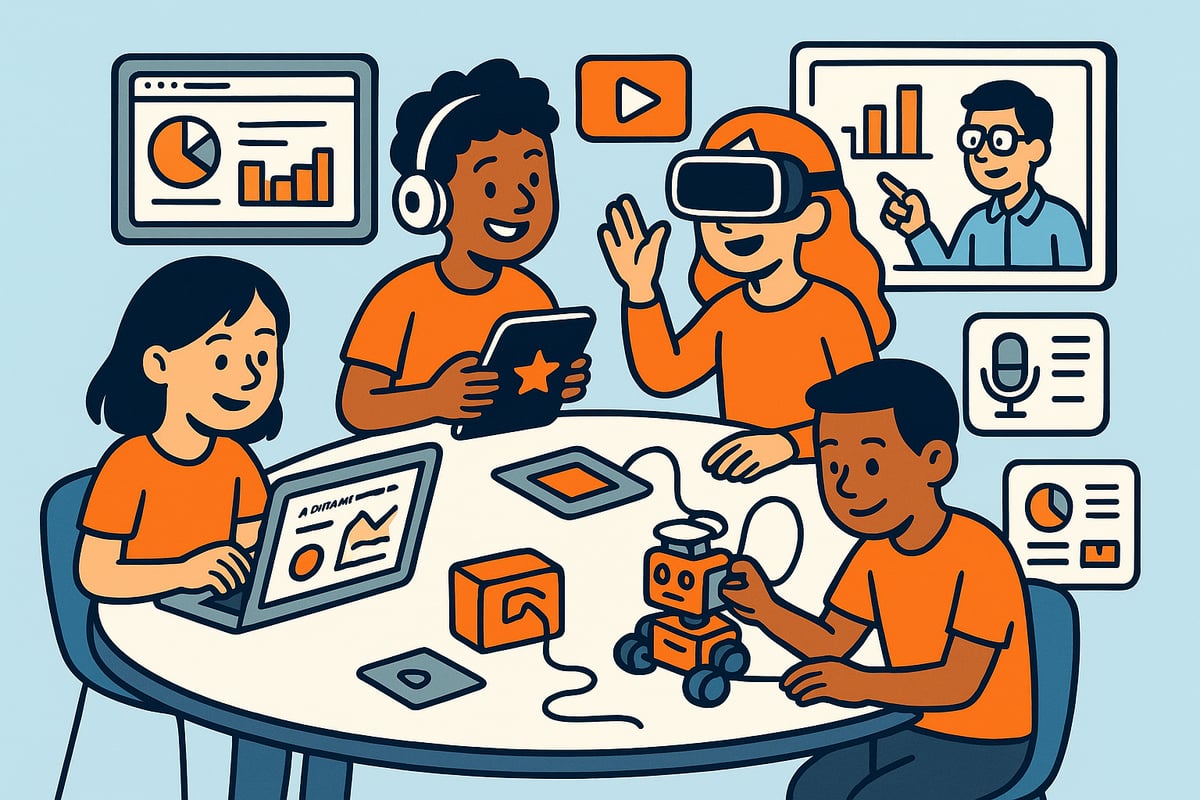
In 2026, innovative learning methods are reshaping how individuals acquire knowledge and skills. As technology and pedagogy advance, educators and learners alike are embracing strategies that prioritize engagement, adaptability, and real-world relevance. The following core approaches illustrate how learning methods are evolving to meet diverse needs and future demands.
Personalized and Adaptive Learning
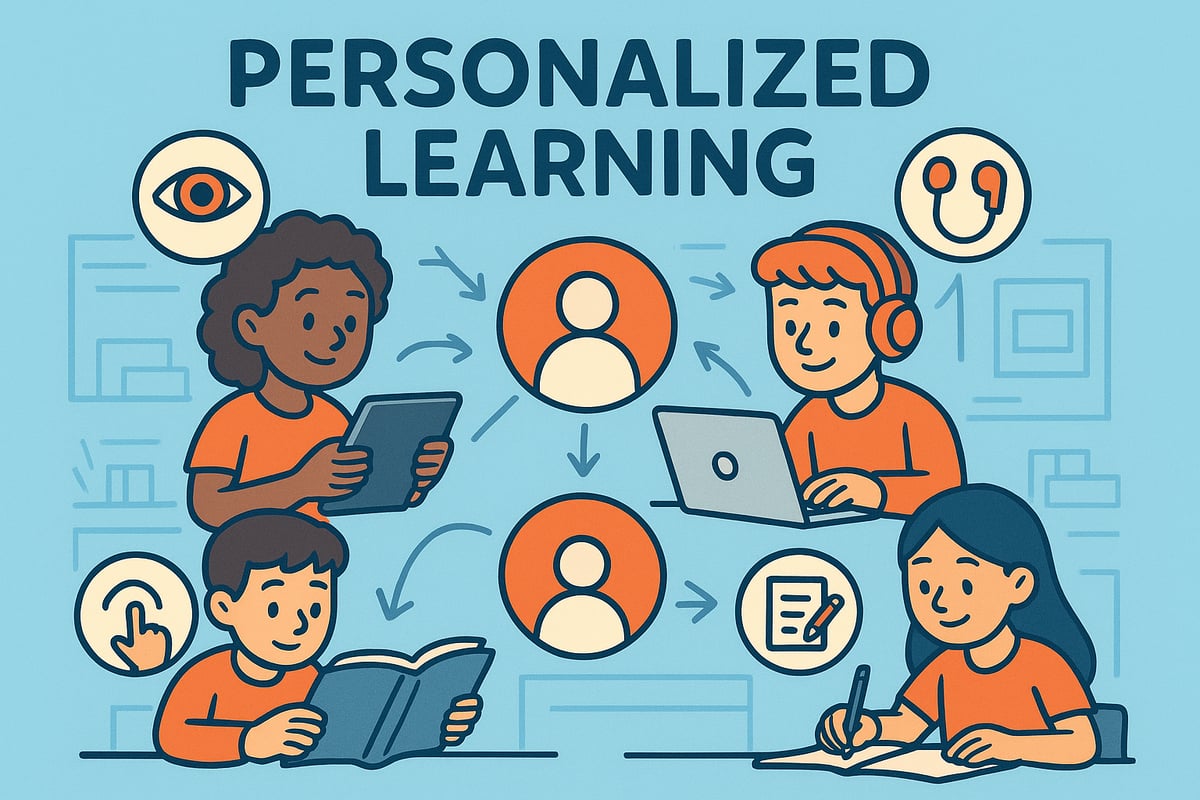
Personalized and adaptive learning methods leverage technology to tailor educational experiences to each learner’s unique needs. These approaches use AI and data analytics to analyze progress and adjust content, pace, and difficulty. For example, adaptive platforms may modify quizzes or suggest new resources based on real-time performance.
The benefits of personalized learning methods include heightened engagement, improved retention, and greater learner autonomy. Customization ensures that diverse learners receive support and challenge at the right moments. According to HolonIQ, adaptive learning platforms are projected to grow by 22 percent annually by 2026.
A key argument for these learning methods is that personalization maximizes outcomes for every student. For a deeper dive into individualized strategies, see Personalized Learning Approaches.
Experiential and Project-Based Learning
Experiential and project-based learning methods place students at the center of active, hands-on experiences. Grounded in Kolb’s experiential learning cycle, these strategies encourage learners to apply knowledge through real-world projects and reflection.
Project-based learning methods often involve cross-disciplinary tasks, such as building apps, launching social initiatives, or conducting field research. This approach fosters critical thinking, creativity, and collaboration.
Educators report that 65 percent observe higher student motivation with project-based tasks. These learning methods bridge the gap between theory and practice, equipping learners with skills needed for complex, dynamic environments.
Gamification and Game-Based Learning
Gamification and game-based learning methods introduce elements like points, badges, and levels to motivate and engage students. Game-based learning uses structured games and simulations to teach complex concepts and practical skills.
Examples include educational apps, simulation games, and virtual escape rooms that challenge problem-solving abilities. These learning methods are especially effective at boosting participation and perseverance, making challenging subjects more accessible and enjoyable.
Microlearning and Just-in-Time Learning
Microlearning and just-in-time learning methods focus on delivering short, targeted content segments. These approaches are designed for mobile and on-demand access, supporting busy learners who need flexibility.
Typical examples include five-minute video tutorials, interactive flashcards, and quick quizzes. These learning methods support information retention by breaking down topics into manageable parts, allowing learners to review material whenever needed.
The flexibility of microlearning methods makes them ideal for fast-paced environments and continuous upskilling.
Social and Collaborative Learning
Social and collaborative learning methods emphasize peer-to-peer interaction and group engagement. These strategies harness the power of discussion forums, virtual study groups, and collaborative projects to deepen understanding.
Global online classrooms now connect learners worldwide, enabling the exchange of diverse perspectives and feedback. With these learning methods, students build communication skills and expand their knowledge through shared experiences.
Collaboration is a cornerstone of effective learning methods, as it fosters critical thinking and broadens viewpoints.
Multimodal and Multisensory Approaches
Multimodal and multisensory learning methods engage multiple senses and cater to different learning preferences. By combining visual, auditory, kinesthetic, and reading or writing activities, educators create richer and more inclusive experiences.
Examples of these learning methods include interactive simulations, podcasts, infographics, and hands-on kits. Multisensory input not only increases engagement but also supports memory retention and comprehension.
Incorporating a variety of learning methods ensures that all learners can access and process information in ways that work best for them.
The Role of Technology in Shaping Future Learning
Technology is rapidly redefining the landscape of learning methods. As digital tools become more advanced and accessible, the way we approach education is evolving at an unprecedented pace. Today’s learners and educators must harness these innovations to stay ahead.

Artificial Intelligence and Machine Learning in Education
Artificial intelligence is transforming learning methods by making education more personalized and efficient. AI-driven platforms analyze student data to recommend tailored resources, adjust difficulty levels, and provide instant feedback.
Intelligent tutoring systems and chatbots now offer real-time support, helping learners overcome challenges as they arise. For example, AI platforms can review assignments and deliver specific, actionable feedback within seconds.
The impact of these technologies is far-reaching. AI supports scalable, individualized learning experiences that adapt to each learner’s pace and needs. According to recent research, the integration of AI in education is unlocking new opportunities for both students and educators. To explore this further, see AI in Modern Education.
By embedding AI into daily instruction, learning methods are becoming more dynamic and responsive, ensuring that every learner has the support they need to succeed.
Virtual Reality (VR), Augmented Reality (AR), and Immersive Learning
Virtual and augmented reality are opening new frontiers for learning methods. With VR and AR, students can engage in interactive simulations that bring abstract concepts to life.
Imagine exploring the inside of a human cell, traveling through historical events, or practicing a new language in a virtual marketplace. These immersive experiences foster deeper understanding and retention of knowledge.
Surveys show that 70% of students report higher engagement when using immersive technology in the classroom. The ability to visualize and interact with content transforms passive learning methods into active exploration.
Educators are leveraging VR and AR to make complex subjects more accessible and engaging. This shift is helping learners build practical skills and confidence in a safe, virtual environment.
Learning Analytics and Data-Driven Insights
Learning analytics are revolutionizing how we measure and enhance learning methods. By tracking student progress, engagement, and outcomes, educators can make informed decisions that improve instruction.
Modern analytics platforms offer dashboards for both teachers and students. These tools highlight strengths, identify gaps, and suggest targeted interventions.
For example, if a student struggles with a particular topic, analytics can recommend supplementary materials or adaptive quizzes. This data-driven approach enables more effective and efficient learning methods.
With continuous feedback, learners are empowered to take ownership of their progress. Educators, in turn, can refine their teaching strategies to better support diverse needs.
Mobile Learning and Ubiquitous Access
Mobile learning is making education accessible to more people than ever before. With smartphones and tablets, learners can engage with content anytime, anywhere.
Mobile-first platforms support a variety of learning methods, from interactive e-books to language apps and microlearning modules. Offline capabilities allow learning to continue even without an internet connection.
Busy professionals, students in remote regions, and lifelong learners all benefit from the flexibility of mobile learning. These tools democratize access to quality education and support self-paced learning methods.
The widespread adoption of mobile technology is bridging gaps in educational equity and opening doors to new opportunities worldwide.
Open Educational Resources (OER) and Global Collaboration
Open educational resources are expanding access to diverse learning methods on a global scale. OERs include free textbooks, online courses, and shareable lesson plans that anyone can use or adapt.
Collaboration has become central to modern learning. Educators and learners around the world are co-creating content, sharing best practices, and building virtual communities.
Examples include massive open online courses (MOOCs) and crowdsourced curriculum development projects. These initiatives encourage innovation and help standardize high-quality learning methods across borders.
By embracing OER and global collaboration, the education community ensures that knowledge is not limited by geography or financial barriers.
Personalizing the Learning Journey: Strategies for Self-Directed Success
Personalizing your approach to learning methods is crucial in 2026. With the vast array of resources and technologies available, self-directed learners have more control than ever. By understanding your unique style, setting meaningful goals, and leveraging modern tools, you can transform your educational journey for maximum growth.
Identifying Your Learning Style and Preferences
The foundation of effective learning methods lies in recognizing how you learn best. Models like VARK categorize preferences into visual, auditory, reading/writing, and kinesthetic modalities. Self-assessment quizzes and reflection help pinpoint your strengths. Awareness of your style empowers you to choose the most effective learning methods for retention and engagement. For a deeper dive into these styles, explore Different Learning Styles Explained. Adapting study techniques to your preferences ensures greater satisfaction and results. Tailoring your environment and materials around your dominant style can lead to better focus and lasting knowledge.
Setting SMART Learning Goals for 2026
Clear goals are essential for mastering new learning methods. The SMART framework—Specific, Measurable, Achievable, Relevant, Time-bound—offers a roadmap for progress. Start by identifying what you want to achieve with your learning methods. For example, set a weekly target for a new skill, or plan to complete a course within a month. Writing goals down increases commitment and accountability. Regularly review your progress, adjusting your learning methods as needed. SMART goals keep you motivated and focused, ensuring each step moves you closer to your desired outcome in 2026.
Building a Personalized Learning Plan
A structured plan maximizes the impact of your chosen learning methods. Begin by curating resources aligned with your interests and career aspirations. Schedule dedicated study sessions to build consistency. Track progress using digital tools or journals. Consider blending multiple learning methods for a holistic experience, such as online courses, podcasts, and real-world projects. A typical plan might include:
- Weekly reading assignments
- Monthly skill challenges
- Peer collaboration sessions
Customizing your plan ensures that learning methods remain engaging and relevant. Regular reflection helps refine your approach for continuous improvement.
Leveraging Technology for Self-Directed Learning
Technology opens new possibilities for personalized learning methods. Use note-taking apps to organize information efficiently. Time management tools help structure your day and build productive habits. Spaced repetition apps support memory retention, while learning management systems offer centralized access to courses and resources. By integrating these tools, learners gain autonomy and flexibility. Experiment with different platforms to identify which best complement your preferred learning methods. Technology empowers you to adapt quickly, ensuring your learning journey remains dynamic and effective in a rapidly changing world.
Overcoming Common Learning Barriers
Despite the benefits of modern learning methods, challenges like procrastination, information overload, and waning motivation may arise. To overcome these, consider:
- The Pomodoro Technique for focused study
- Mindfulness practices to reduce stress
- Joining online study groups for accountability
Identify which obstacles most affect your learning methods and apply targeted strategies. Peer support and structured breaks can enhance perseverance. By proactively addressing barriers, you create a resilient foundation for lifelong learning success, ensuring that your chosen learning methods lead to meaningful and lasting results.
Supporting Diverse Learners: Inclusion and Accessibility in Modern Education
Creating inclusive learning methods is essential in 2026, as classrooms and digital spaces become more diverse than ever. Learners bring unique backgrounds, abilities, and perspectives to every environment. To ensure success for all, educators and institutions must prioritize accessibility and equity in their learning methods.
Universal Design for Learning and Assistive Technologies
Universal Design for Learning (UDL) offers a blueprint for developing learning methods that accommodate all students. By embedding flexibility into curriculum design, UDL ensures content is accessible regardless of ability or background.
Assistive technologies play a vital role in this process. Tools such as screen readers, voice recognition software, captioning, and adaptive devices empower students with disabilities to engage fully with learning methods. Here is a quick overview:
| Assistive Technology | Purpose |
|---|---|
| Screen readers | Access to digital text |
| Captioning | Audio and video accessibility |
| Adaptive keyboards | Physical access support |
| Braille displays | Tactile reading for the blind |
These innovations make it possible for everyone to participate and thrive.
Culturally Responsive Teaching and Diverse Content Formats
Effective learning methods acknowledge and respect cultural diversity. Culturally responsive teaching incorporates students' backgrounds, languages, and traditions into lessons. This approach builds stronger connections and helps learners see themselves reflected in the curriculum.
Offering content in multiple formats is another key aspect of accessibility. Providing lessons as text, audio, and video ensures all learners, including those with special educational needs, can access information in the way that suits them best. More than 15% of learners globally require such adaptations, according to UNESCO.
The Value of Diversity in Learning Environments
Inclusive learning methods do more than provide access. They enrich the educational experience for everyone. When students with different abilities and cultural backgrounds collaborate, they bring new perspectives and ideas to the table.
Some practical strategies for supporting diverse learners include:
- Using plain language and clear instructions
- Providing alternative formats for assignments
- Encouraging peer support and group work
- Regularly seeking feedback from learners
By making learning methods inclusive, educators not only meet legal and ethical obligations but also foster creativity, empathy, and innovation within their communities.
Practical Steps to Implement Innovative Learning Methods
Adopting innovative learning methods in 2026 demands a strategic, step-by-step approach. Whether you are an educator or a self-directed learner, following a clear process will help maximize results and ensure you stay ahead in a rapidly changing educational landscape.
Step 1: Assess Current Learning Needs and Context
Start by evaluating your current situation. Identify what you or your group need to achieve, considering both immediate and long-term objectives. Analyze the environment, available resources, and any constraints that may affect your choice of learning methods.
Use surveys, interviews, or needs analysis tools to gather insights. This foundational step ensures that the selected learning methods align with your goals, whether for a remote team, a classroom, or individual upskilling. Clarity at this stage sets the tone for all subsequent actions.
Step 2: Select the Right Mix of Learning Approaches
With your needs defined, choose a blend of traditional and innovative learning methods that best suit your objectives. Consider factors like learner preferences, subject matter, and available technology. For example, you might combine lectures with interactive workshops and digital modules.
Compare different learning methods in a table to visualize their strengths:
| Approach | Strengths | Best For |
|---|---|---|
| Lecture-based | Content delivery | Theory, overviews |
| Project-based | Engagement, real-world skills | Collaboration, application |
| Microlearning | Flexibility, retention | Busy schedules, review |
Selecting the right mix ensures a tailored and effective learning experience.
Step 3: Integrate Technology Thoughtfully
Technology is a powerful enabler of innovative learning methods. Choose platforms and tools that align with your learning goals, ensuring they are user-friendly, accessible, and respect data privacy. Learning management systems, adaptive learning apps, and collaboration tools can support diverse needs.
The rise of adaptive platforms highlights the growing importance of personalization in learning methods. For more insights on market growth, see the adaptive learning market growth statistics. Thoughtful integration of technology empowers you to deliver scalable, engaging, and effective learning experiences.
Step 4: Foster Engagement and Active Participation
Active participation is at the heart of innovative learning methods. Encourage collaboration through group projects, discussions, and gamified activities. Real-time quizzes, online debates, and peer feedback foster a dynamic environment.
Project-based learning in particular has been shown to significantly enhance motivation and engagement. According to project-based learning student engagement statistics, these approaches can drive better outcomes. Make participation fun and meaningful to unlock deeper learning.
Step 5: Monitor Progress and Adapt Continuously
Continuous improvement is essential when applying new learning methods. Set clear milestones and use analytics tools to track progress. Regularly collect feedback from learners and instructors to identify what is working and what needs adjustment.
Adaptive assessments and check-ins allow you to modify learning methods to suit evolving needs. Flexibility and responsiveness ensure the approach remains effective and relevant over time.
Step 6: Cultivate a Growth Mindset and Lifelong Learning Habits
Encourage a culture where challenges are seen as opportunities. Emphasize the value of resilience, curiosity, and self-reflection. Journaling, mentorship, and celebrating small wins can reinforce positive attitudes toward innovative learning methods.
Promoting a growth mindset helps learners adapt to new demands and fosters habits that support lifelong learning. These skills are critical for personal and professional success in an unpredictable future.
Step 7: Collaborate with a Global Learning Community
Connect with peers and experts worldwide to share resources and best practices. Participate in online forums, professional networks, and virtual conferences to broaden your perspective. Engaging in global hackathons or cross-cultural projects exposes you to diverse learning methods and innovative ideas.
Collaboration expands your toolkit and keeps you updated on emerging trends. Embracing a global learning community is vital for staying agile and competitive.
The Future of Learning: Trends to Watch in 2026 and Beyond
The landscape of learning methods is undergoing a dramatic transformation as we approach 2026. Technology, global shifts, and changing learner needs are driving a new era in education. To remain competitive and adaptable, both learners and educators must stay attuned to the innovations shaping the future.
Artificial intelligence is rapidly becoming a cornerstone of modern learning methods. AI tutors, powered by advanced algorithms, offer personalized feedback and adapt to individual strengths and weaknesses. This shift is closely linked to the surge in adaptive learning software market trends, which highlight the growing demand for platforms that assess and adjust content in real time. Alongside AI, blockchain technology is emerging as a secure way to issue and verify digital micro-credentials, making skill validation transparent and portable across borders.
In parallel, the value of lifelong, skills-based learning is eclipsing traditional degree-focused models. Learners are increasingly seeking flexible, modular credentials that reflect real-world competencies. Digital badges, stackable certificates, and virtual internships are now key components of modern learning methods. According to the World Economic Forum, 85% of jobs in 2030 may not exist today, underscoring the urgency of continuous upskilling and reskilling.
Global learning ecosystems are thriving, fueled by online platforms and collaborative technologies. Learners from different continents now participate in shared projects, cross-cultural exchanges, and interdisciplinary research. Project-based learning is especially effective in these settings, as demonstrated by research on project-based learning in interdisciplinary research. These collaborations foster a broader perspective, enhance problem-solving skills, and prepare individuals for the interconnected world.
Another defining trend is the integration of well-being, emotional intelligence, and soft skills into curricula. Employers are prioritizing adaptability, empathy, and resilience alongside technical expertise. Educational programs increasingly feature mindfulness, teamwork, and leadership development. Sustainability and social impact are also gaining prominence, with curricula addressing environmental challenges and ethical decision-making.
To summarize the major trends shaping future learning methods, consider the table below:
| Trend | Description | Example |
|---|---|---|
| AI Tutors & Adaptive Learning | Personalized, real-time feedback and content adjustment | AI-driven platforms |
| Micro-credentials & Blockchain | Secure, portable skill validation | Digital badges, e-portfolios |
| Skills-Based Lifelong Learning | Modular, flexible, competency-focused pathways | Stackable certificates |
| Global Collaboration | Cross-border, interdisciplinary projects | Online hackathons |
| Well-being & Soft Skills | Emotional intelligence, resilience, social impact | Mindfulness workshops |
Looking ahead, agility and openness to change will be critical for success. Embracing innovative learning methods, engaging in global communities, and cultivating a growth mindset will help learners and educators future-proof their skills. By staying informed and adaptable, anyone can thrive in the dynamic world of 2026 and beyond.
As we look ahead to the future of learning, it is clear that embracing innovative methods and adaptive technologies is essential for families who want to nurture curiosity and confidence in their children. With personalized lesson plans, progress tracking, and seamless integration of travel and exploration, platforms like LearnSpark support worldschooling families in creating meaningful educational journeys. If you are ready to give your child a tailored learning experience that grows with them—wherever you are in the world—take the next step and Create Your Free Account to start your journey today.