
Education is evolving at a pace never seen before, and classrooms in 2026 demand more than traditional teaching methods. Teachers and students alike are seeking lesson plans that spark curiosity, drive engagement, and adapt to changing needs.
This article uncovers seven innovative lesson plans designed to transform the learning experience, from immersive technology to real-world problem solving. Are you ready to discover the future of classroom engagement? Explore these actionable ideas that will inspire both educators and learners for years to come.
Why Innovative Lesson Plans Matter in 2026
Education is undergoing a profound transformation as we approach 2026. The way teachers design lesson plans is evolving to keep pace with new technologies, shifting student expectations, and the growing demand for relevant, future-ready skills. Innovative lesson plans have become essential for fostering engagement, promoting deeper understanding, and preparing students for a rapidly changing world.
The Changing Landscape of Education
The classroom environment is being reshaped by advances in pedagogy and technology. Today’s lesson plans must address not only academic content but also the development of essential 21st-century skills such as critical thinking, collaboration, and digital literacy. With the rise of remote and hybrid learning, students now expect flexible and engaging instruction that adapts to their needs.
Teachers are challenged to remain creative and adaptable. Recent studies have shown that innovative lesson plans significantly boost student engagement and participation. As education becomes more global, classrooms are increasingly diverse, making it even more important to design lessons that resonate with all learners.
Core Benefits of Engaging, Modern Lesson Plans
Modern lesson plans offer clear advantages for both students and educators. They boost motivation, leading to increased participation and stronger connections to the material. By using interactive and inclusive approaches, teachers can help students retain information more effectively and develop a deeper understanding of core concepts.
Engaging lesson plans also accommodate various learning styles, making education accessible to all students. These approaches foster a sense of belonging and prepare learners for real-world challenges by connecting classroom content to practical scenarios. Teachers benefit as well, finding greater satisfaction and professional growth through creative lesson design.
Key Trends Shaping Lesson Design in 2026
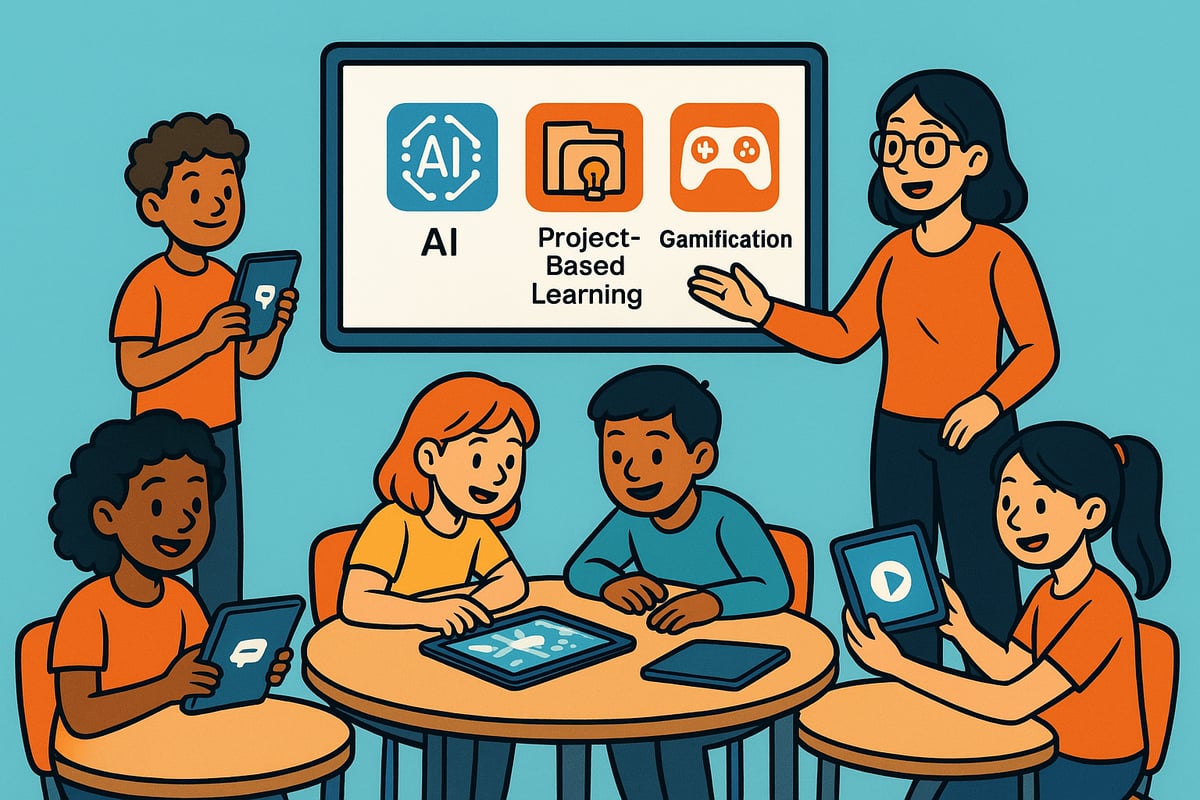
Several key trends are driving the evolution of lesson plans in 2026. The integration of AI and adaptive learning platforms allows educators to personalize instruction and provide real-time feedback. Project-based and experiential learning are gaining traction, encouraging students to work collaboratively and solve authentic problems.
Gamification and interactive technology make lessons more dynamic and engaging, while social-emotional learning remains a central focus for supporting student well-being. Data-driven instruction empowers teachers to tailor their lesson plans for maximum impact. For those seeking tools to support these trends, exploring Best AI Lesson Planning Tools can provide valuable insights into the latest technologies shaping classrooms.
Challenges and Opportunities for Educators
While the benefits of innovative lesson plans are clear, educators still face obstacles. Limited resources, time constraints, and the need for ongoing training can make implementation challenging. However, opportunities abound for collaboration and professional development, with open educational resources and educator communities offering support and fresh ideas.
Schools that embrace new approaches to lesson plans often find success by fostering a culture of experimentation and continuous improvement. By working together, teachers can overcome barriers and create vibrant, effective learning environments for every student.
7 Innovative Lesson Plans for Engaging Classrooms in 2026
The landscape of education in 2026 demands flexibility, creativity, and a forward-thinking approach. Teachers are constantly searching for lesson plans that not only meet standards but also inspire, engage, and prepare students for the real world. Below, discover seven transformative lesson plans that leverage the latest technology, research, and pedagogy to make learning truly unforgettable.
1. Immersive Virtual Reality Expeditions
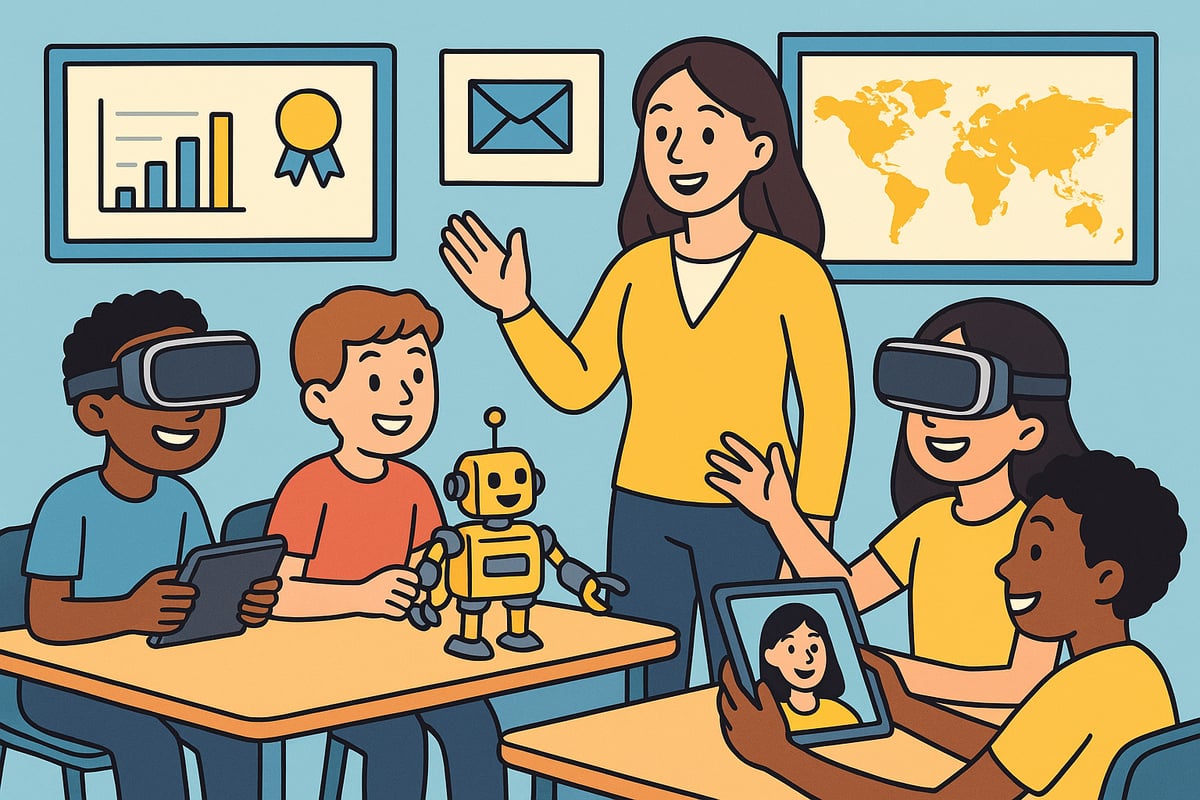
Immersive virtual reality expeditions are redefining how lesson plans connect students to the world. With affordable VR headsets, students can traverse rainforests, ancient ruins, or even the solar system without leaving their classroom. These lesson plans foster experiential learning, allowing students to observe, interact, and reflect in ways traditional textbooks never could.
For example, a virtual field trip to the Amazon rainforest can be paired with interactive challenges such as identifying flora and fauna or simulating environmental changes. Such lesson plans naturally integrate science, geography, and language arts, creating cross-curricular bridges.
Research highlights the impact of VR in learning. According to VR’s impact on learning outcomes, students using VR retain information up to 75% better compared to more passive lesson plans. This makes VR a powerful tool for deepening understanding and engagement.
Accessibility is also improving. Many lesson plans now include VR alternatives, such as 360-degree videos or augmented reality apps, ensuring every student can participate. After the expedition, students often complete creative projects or written reflections, solidifying the experience and encouraging critical thinking.
2. AI-Powered Personalized Learning Paths
AI-powered personalized learning paths are revolutionizing lesson plans by adapting to each student's pace, interests, and strengths. These lesson plans leverage platforms like DreamBox and Smart Sparrow, which analyze student performance in real time. Teachers can use these insights to adjust lesson plans for individuals or groups, ensuring no learner is left behind.
Picture a math lesson where questions become more complex only as the student demonstrates mastery. These adaptive lesson plans boost student agency, supporting self-directed and differentiated learning. Data indicates that schools using AI-powered lesson plans see up to 30% higher mastery rates, a testament to the power of tailored instruction.
Teachers benefit as well. The analytics provided by these lesson plans help identify knowledge gaps quickly, enabling targeted intervention. In diverse classrooms, AI ensures lesson plans are inclusive and effective for all learners. The result is a more dynamic, responsive, and successful educational experience.
3. Real-World Problem Solving through Project-Based Learning
Project-based learning (PBL) brings lesson plans to life by challenging students to solve genuine community or global problems. These lesson plans encourage research, collaboration, and communication—skills essential for the 21st century. For instance, students might design a green energy solution for their school, integrating STEM, social studies, and language arts.
PBL lesson plans often involve partnerships with local organizations, giving students access to real-world feedback and mentorship. The process culminates in exhibitions or digital portfolios, providing a sense of accomplishment and public recognition. According to research, PBL lesson plans increase student engagement and critical thinking by over 40%.
For educators seeking detailed strategies, the Project-Based Learning Lesson Plans resource offers a comprehensive guide to implementing effective PBL in the classroom.
The versatility of these lesson plans ensures that every learner finds a role, whether as a researcher, presenter, or designer. PBL lesson plans are more than just assignments—they are opportunities for students to make a tangible impact while mastering academic content.
4. Gamified Learning Modules
Gamified learning modules turn lesson plans into interactive, motivating experiences. By structuring lessons as games, quests, or challenges, teachers tap into students' natural love for play and competition. These lesson plans might feature levels, badges, and leaderboards, all designed to increase participation and perseverance.
An example is the "Math Olympics," where students compete in digital math challenges, earning rewards for progress. Similarly, history scavenger hunts using classroom apps make traditional content more dynamic. Gamified lesson plans provide immediate feedback, allowing students to track their growth and address weaknesses in real time.
The data is compelling: gamified lesson plans can boost completion rates by 60%. Tools like Kahoot!, Classcraft, or custom-built games are making it easier for teachers to design these engaging modules. Importantly, gamification supports mastery learning, peer collaboration, and a positive classroom culture.
5. Social-Emotional Learning (SEL) Integrated Lessons
Modern lesson plans increasingly incorporate social-emotional learning (SEL) to build empathy, resilience, and communication skills. SEL-infused lesson plans often include activities like role-playing, mindfulness exercises, and group reflections. These strategies help students navigate emotions and relationships, supporting both personal and academic growth.
For example, a literature lesson plan might involve students role-playing characters to resolve conflicts, deepening both comprehension and empathy. SEL lesson plans can also feature mindfulness breaks or collaborative projects to foster trust and respect. Research shows that SEL lesson plans improve academic performance by an average of 11%.
Teachers are supported with detailed guides for facilitating sensitive discussions, ensuring that SEL lesson plans are both impactful and safe. The result is a classroom environment where students feel valued, heard, and ready to learn.
6. Cross-Disciplinary STEAM Challenges
Cross-disciplinary STEAM challenges are among the most innovative lesson plans in 2026. By integrating science, technology, engineering, arts, and math, these lesson plans foster creativity, collaboration, and critical thinking. Students might build and program robots to perform a choreographed dance, blending technical and artistic skills.
Such lesson plans encourage defined roles within groups, ensuring every student contributes. Digital tools like 3D printers, coding platforms, and digital art suites are often incorporated, making these lesson plans both modern and hands-on. Student creations are showcased in exhibitions, celebrating achievement and inspiring peers.
Data confirms the value: STEAM lesson plans correlate with higher problem-solving and innovation skills. These lesson plans not only prepare students for future careers but also help them see the connections between disciplines.
| STEAM Challenge | Skills Developed | Example Tool |
|---|---|---|
| Robot Dance | Coding, Choreography | Scratch |
| 3D Model of Bridge | Engineering, Geometry | Tinkercad |
| Digital Storytelling | Writing, Design | Canva |
7. Culturally Responsive and Globally Connected Lessons
Culturally responsive and globally connected lesson plans make classrooms more inclusive and relevant. These lesson plans reflect diverse cultures, histories, and perspectives, helping students develop empathy and a sense of global citizenship.
For instance, students may collaborate with partner classrooms overseas via video conferencing, working together on projects that explore heritage and identity. Such lesson plans encourage language learning and broaden horizons. Multimedia resources, guest speakers, and student choice further enhance authenticity.
Research indicates that culturally responsive lesson plans help close achievement gaps and foster a sense of belonging. Assessment in these lesson plans often includes self-reflection and peer feedback, ensuring that every voice is heard and valued.
In summary, these seven innovative lesson plans are reshaping education for 2026. By embracing technology, real-world challenges, and inclusivity, teachers can create lesson plans that truly engage and empower every student.
Tips for Implementing Innovative Lesson Plans Successfully
Innovative lesson plans can transform classrooms, but successful implementation requires thoughtful strategies. Educators must balance creativity with practicality to ensure these lesson plans deliver real impact for every student.

Building Teacher Confidence and Skills
Empowering educators is the foundation for implementing innovative lesson plans. Teachers benefit from ongoing professional development, which builds confidence in adopting new methods.
- Attend workshops focused on creative lesson design.
- Join peer mentoring programs to share experiences.
- Explore online courses that introduce emerging tools.
A supportive school culture encourages experimentation with lesson plans. Leadership that values professional growth and risk-taking inspires teachers to innovate. For example, teacher-led workshops allow staff to collaborate, test new ideas, and refine their lesson plans together.
Managing Resources and Technology
Maximizing available resources is essential when rolling out innovative lesson plans. Many schools use shared devices or bring-your-own-device policies to expand access to technology.
- Leverage free or low-cost educational platforms.
- Seek partnerships with local businesses for classroom resources.
- Apply for grants to fund technology upgrades.
Collaboration with technology leaders can support lesson plans that utilize cutting-edge tools. For instance, the Pearson and Google AI partnership is bringing advanced AI-powered learning solutions to classrooms, making it easier to personalize instruction and streamline lesson plans.
Measuring Engagement and Learning Outcomes
Assessing the impact of innovative lesson plans is vital for ongoing improvement. Use a mix of formative and summative assessments tailored to your lesson plans.
- Collect student feedback regularly.
- Track participation and collaboration through digital tools.
- Use digital portfolios to showcase student progress.
Performance-based assessments and self-reflection help educators determine which lesson plans are most effective. Data-driven insights allow teachers to adapt their lesson plans, ensuring each student’s needs are met.
Adapting Lessons for Diverse Learners
Every classroom contains a range of abilities and backgrounds, so lesson plans must be adaptable. Differentiating content and process is key to reaching all learners.
- Incorporate Universal Design for Learning principles.
- Offer scaffolding and enrichment activities.
- Use choice boards and flexible grouping strategies.
Customizing lesson plans to accommodate varied learning styles fosters inclusivity. When students can engage with lesson plans in ways that suit them best, participation and achievement rise across the board.
Resources and Tools to Support Innovative Lesson Planning
Access to the right resources and tools is vital for bringing innovative lesson plans to life. Educators in 2026 require platforms and communities that not only streamline planning but also enrich student engagement. The following sections highlight essential digital platforms, open resources, and professional networks that empower teachers to craft dynamic lesson plans for every classroom.
Recommended Digital Platforms and Apps
Modern lesson plans are enhanced by a variety of digital platforms designed for interactive, student-centered learning. Tools like Nearpod, Flipgrid, Google Classroom, and Edpuzzle allow teachers to create lessons with embedded quizzes, videos, and collaborative activities. These platforms support real-time feedback and adapt to diverse learning needs.
For educators seeking adaptive solutions, exploring Adaptive learning platforms overview offers insights into top AI-powered tools that personalize instruction. Features such as analytics dashboards, multimedia integration, and seamless assignment tracking make these platforms indispensable for lesson plans that prioritize engagement and outcomes.
Open Educational Resources (OER) and Communities
Open Educational Resources (OER) are a cornerstone for educators aiming to diversify and innovate their lesson plans. Platforms like Education.com, OER Commons, and Share My Lesson provide free access to thousands of lesson plans, activities, and multimedia content.
Teachers can connect with peers globally to share ideas, customize resources, and collaborate on projects. These communities foster creativity, reduce planning time, and ensure lesson plans remain current and relevant. Cost savings and the ability to tailor materials for individual learners further enhance the value of OER in every classroom.
Professional Learning Networks and Support
Staying connected with other educators is crucial for ongoing growth and innovation in lesson plans. Professional Learning Networks (PLNs) such as the Edutopia community, Twitter #edchat, and ISTE offer spaces for sharing best practices, participating in webinars, and engaging in peer coaching.
These networks encourage continuous improvement, spark new ideas, and provide support as teachers implement cutting-edge lesson plans. By joining study groups or attending virtual workshops, educators build confidence and expand their instructional toolkit, ensuring every lesson remains fresh and impactful.
As you explore these seven innovative lesson plans designed for the classrooms of 2026, you’ll notice how adaptability, student engagement, and real-world learning truly transform education. If you’re excited to bring this kind of dynamic, personalized experience to your own family or learning community, I encourage you to see how LearnSpark can help. With adaptive, AI-powered lessons that grow with your child’s interests and needs—no matter where your journey takes you—you can confidently guide their learning every step of the way. Ready to dive in and see for yourself? Create Your Free Account