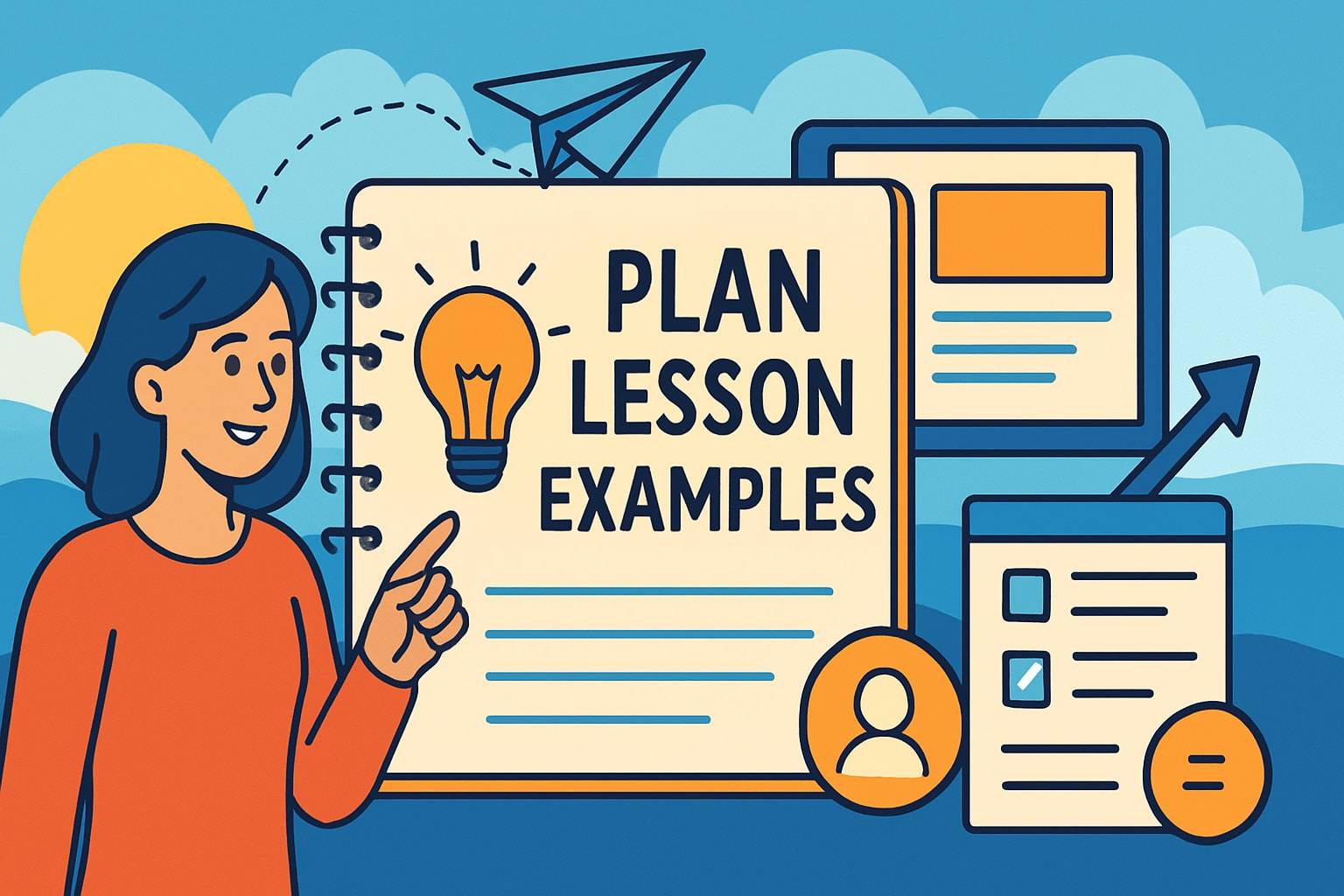
Education is rapidly transforming, and in 2026, the demand for adaptable, effective teaching has never been greater. Teachers face new technologies, evolving standards, and increasingly diverse classrooms, making dynamic lesson planning a top priority.
This article is designed to inspire with seven plan lesson examples that empower educators to craft engaging and impactful learning experiences. You will discover practical templates, innovative strategies, and real-world examples suitable for every grade level and subject.
Are you ready to overcome common planning challenges and elevate your teaching? Explore how these plan lesson examples can help you create classrooms where every student thrives.
The Importance of Effective Lesson Planning in 2026
In 2026, lesson planning is more than a routine task—it is a strategic tool for educational success. As the classroom landscape evolves, effective planning empowers teachers to navigate shifting standards, integrate new technologies, and meet diverse student needs. Teachers seeking to elevate their instruction rely on plan lesson examples to guide this process and inspire innovation.
The Role of Lesson Planning in Modern Education
A well-crafted lesson plan shapes the entire learning experience. It ensures that lessons are purposeful, objectives are clear, and student outcomes align with curriculum requirements such as Common Core or NGSS. Research shows that teachers who use structured plan lesson examples report a 25% increase in classroom engagement. This statistic highlights the tangible impact of intentional planning on student participation and achievement.
Lesson plans act as roadmaps, helping educators focus on desired learning outcomes. By starting with clear goals, teachers can design activities and assessments that directly support student mastery. For a deeper exploration of how lesson planning drives student success and adapts to changing standards, consider reviewing “Unlocking the Science of Lesson Planning for Student Success”.
Technology, AI, and Personalization
The integration of technology and AI has transformed how teachers create and implement plan lesson examples. Digital tools streamline the planning process, allowing for real-time collaboration and access to a wealth of resources. AI-driven platforms can suggest differentiated activities or adapt materials to individual student needs, supporting personalized learning at scale.
Teachers are increasingly using interactive apps, digital portfolios, and adaptive learning platforms. These technologies enhance engagement and provide immediate feedback, making it easier to track progress and adjust instruction as needed. Personalized learning paths, supported by AI, ensure that every student receives targeted support.
Flexibility for Diverse Classrooms
Today’s classrooms are a blend of in-person, hybrid, and remote environments. Effective plan lesson examples are designed with flexibility in mind, allowing teachers to pivot between formats without sacrificing quality. Lesson plans now often include digital resources, virtual collaboration tools, and strategies for engaging students both online and offline.
Alignment with curriculum standards remains essential, but adaptability is just as crucial. Teachers must be prepared to modify lessons quickly in response to unexpected changes, ensuring continuity of learning regardless of setting.
Overcoming Challenges in Lesson Planning
Despite advancements, teachers face ongoing challenges when developing plan lesson examples. Time constraints, the need for differentiation, and integrating meaningful assessments can make planning feel overwhelming. Modern lesson plans address these hurdles by:
- Embedding formative assessments throughout each lesson to monitor understanding.
- Incorporating digital resources and multimedia for varied learning experiences.
- Providing options for differentiation to meet the needs of special education and gifted learners.
These strategies help teachers maximize instructional time and ensure that every student is supported.
Collaboration and Professional Growth
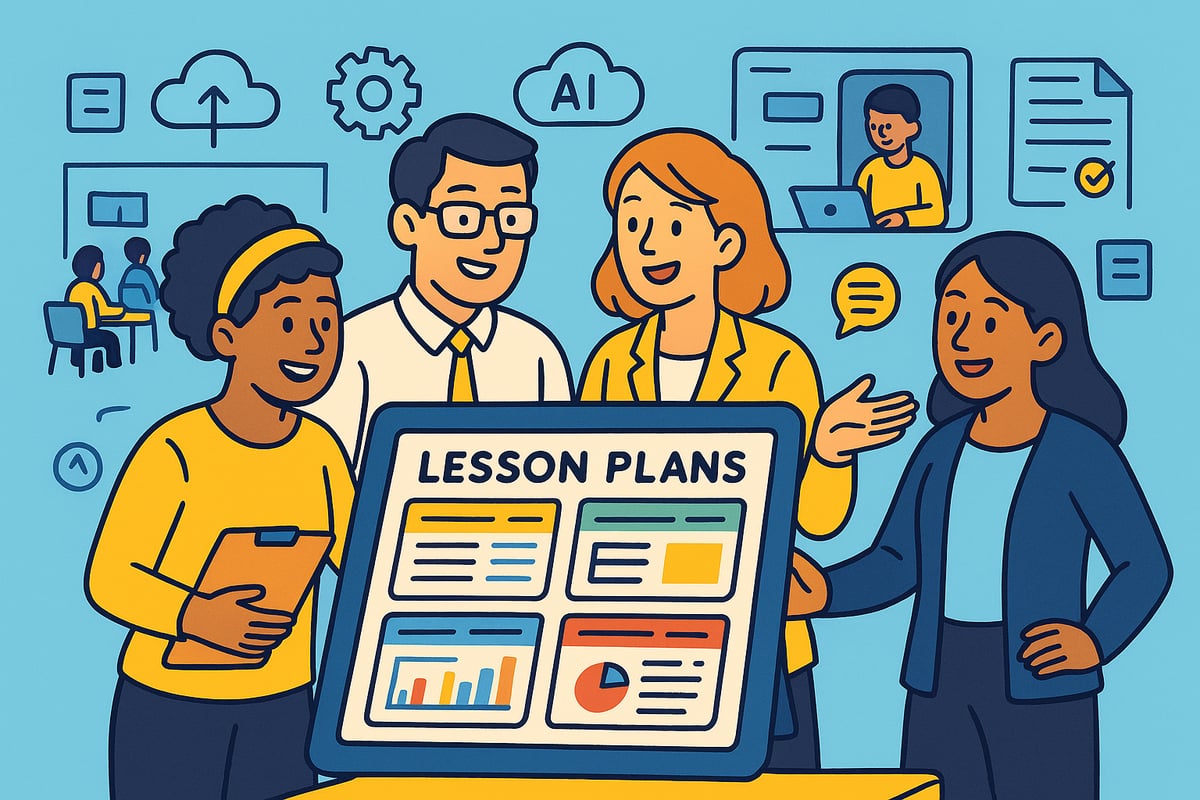
Continuous professional development and collaboration are vital for refining plan lesson examples. Sharing best practices within teaching teams fosters innovation and improves outcomes for all students. Educators benefit from peer feedback, co-planning sessions, and access to professional learning communities.
By reflecting on what works and iterating on lesson designs, teachers stay current with educational trends and adapt to the evolving needs of their students. This collaborative approach not only enhances individual practice but also elevates the overall quality of education.
In summary, effective lesson planning in 2026 is dynamic, data-informed, and responsive to the realities of modern teaching. By leveraging technology, emphasizing flexibility, and prioritizing collaboration, teachers can create plan lesson examples that drive engagement and support student success across any learning environment.
Key Components of an Inspiring Lesson Plan
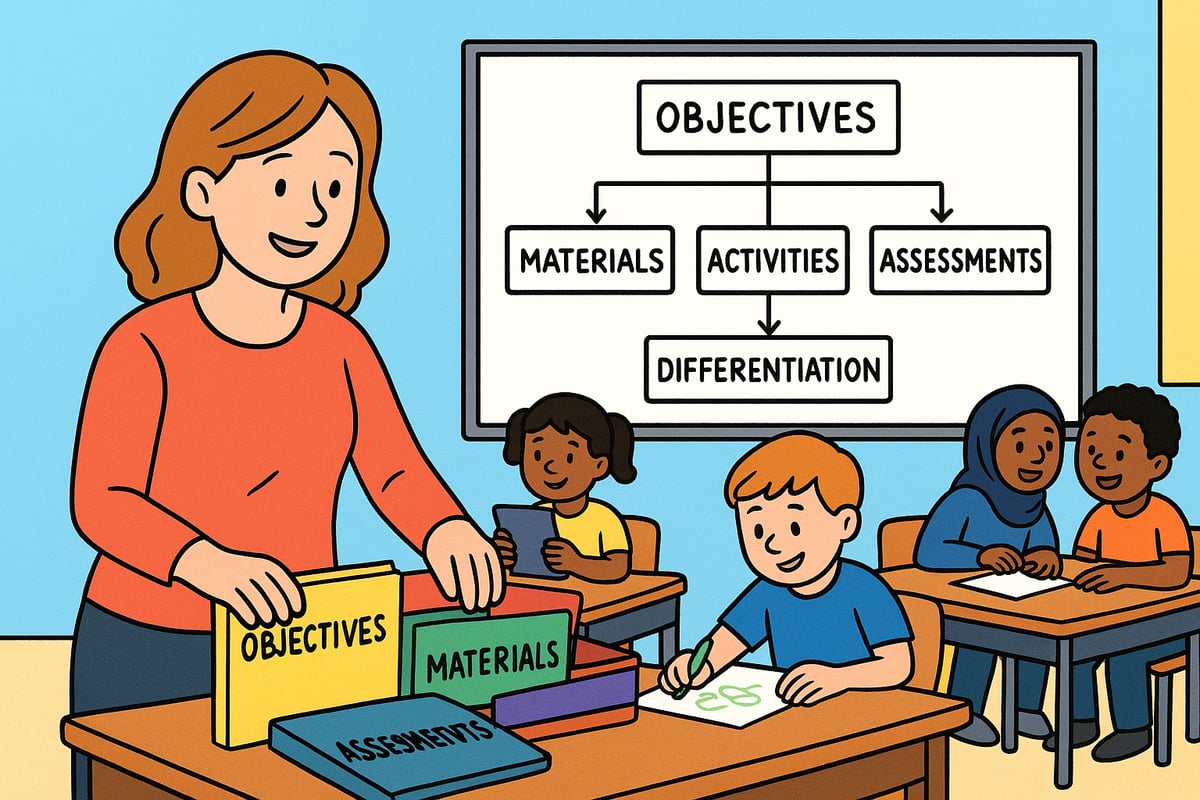
Creating inspiring plan lesson examples starts with understanding the essential building blocks of an effective lesson plan. Every successful lesson begins with a clear vision—what do you want students to know or be able to do by the end? This is where learning objectives take center stage. Well-crafted objectives keep lessons focused and ensure alignment with curriculum standards.
Key Elements of Effective Lesson Plans
A strong lesson plan is more than a checklist; it is a roadmap for both teachers and students. Here are the foundational components you will find in top plan lesson examples:
| Component | Description |
|---|---|
| Learning Objectives | Clearly state what students should achieve by lesson end, using measurable, student-friendly language. |
| Materials/Resources | List all items needed, from textbooks to digital tools and hands-on supplies. |
| Lesson Structure | Organize the lesson into segments: introduction, instruction, guided practice, independent work, closure. |
| Activities | Plan engaging tasks that foster participation, collaboration, and deeper understanding. |
| Assessments | Include formative (ongoing checks) and summative (final evaluation) assessments. |
| Differentiation | Adapt activities and supports to meet varied learning needs. |
Setting SMART Goals
Measurable goals are crucial for meaningful outcomes. The best plan lesson examples use SMART objectives—Specific, Measurable, Achievable, Relevant, and Time-bound. For instance, instead of “Students will learn about fractions,” a SMART goal would be “Students will solve at least five fraction problems with 80% accuracy by the end of the lesson.”
Varied Instructional Strategies
Great lesson plans incorporate a mix of instructional approaches:
- Direct instruction for introducing new concepts.
- Guided practice to scaffold learning.
- Independent work to encourage mastery.
- Group activities that build collaboration skills.
Inspiring plan lesson examples also weave in multimedia, such as videos or interactive simulations, and hands-on activities that connect learning to real-world situations.
Assessment and Differentiation
Assessment is not limited to quizzes. Effective plans embed ongoing formative checks like exit tickets, peer feedback, or digital quizzes. Summative assessments—projects or tests—measure mastery at the end.
Differentiation ensures all students are challenged and supported. This may involve modifying tasks, providing additional resources, or offering choices based on readiness and interest. For example, a plan might include extra visuals for English Language Learners or extension activities for advanced students.
Practical Tips and Reflection
Competitor insights reveal that the most effective plan lesson examples list materials, prepare steps, and include space for teacher notes. This organization saves time and reduces last-minute stress.
Finally, reflection is vital. After teaching, reviewing what worked and what did not allows for continuous improvement. Iterating on your lesson plans ensures each experience is more impactful than the last. For a detailed breakdown of these components, visit this lesson plan step-by-step guide.
By mastering these core elements, teachers can create plan lesson examples that are both inspiring and effective, setting students up for success in every learning environment.
7 Inspiring Plan Lesson Examples for Teachers in 2026
In 2026, innovative educators are transforming classrooms with plan lesson examples that adapt to every learner and teaching context. Whether you are seeking structured frameworks, creative integrations, or tech-savvy strategies, these examples offer practical solutions for modern challenges. Each model below is crafted to inspire and empower you to elevate learning outcomes. If you are searching for ready-to-use templates, Free homeschool lesson plans provide additional inspiration and resources for teachers.
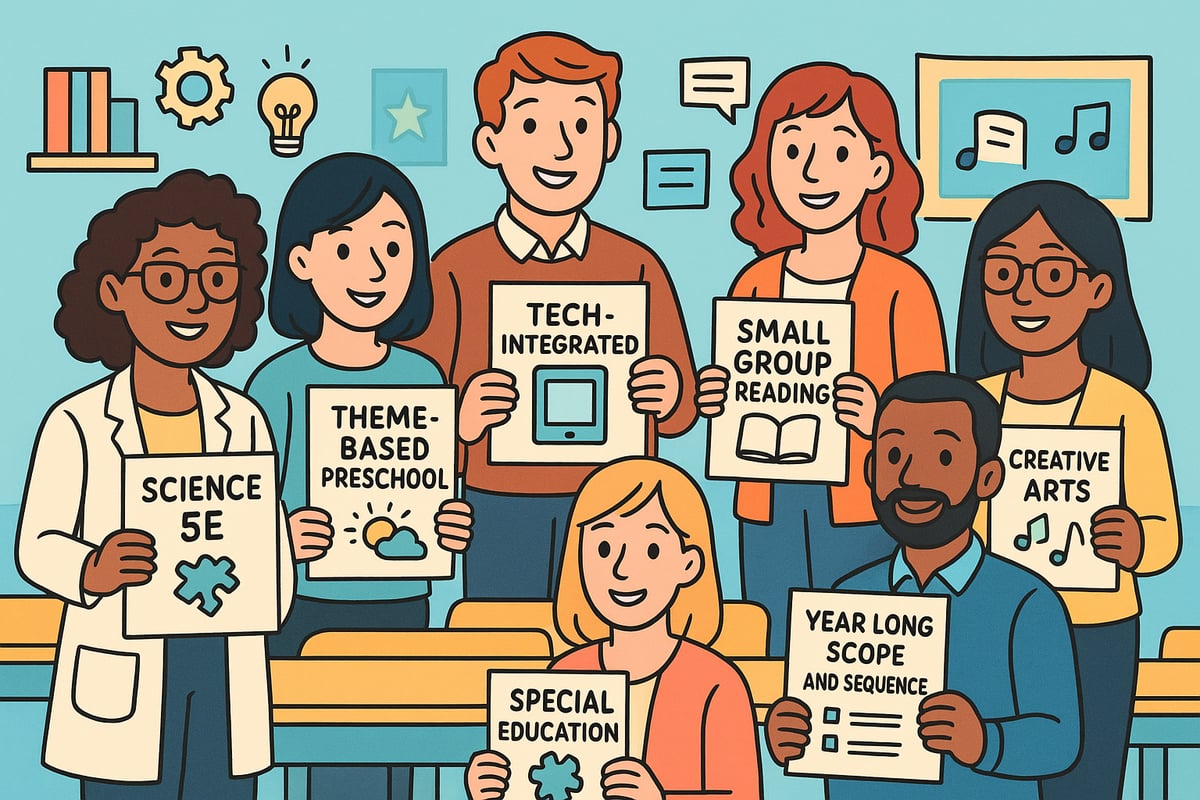
1. The 5E Model Science Lesson Plan
The 5E Model stands at the forefront of plan lesson examples for science instruction. This approach structures learning into five phases: Engage, Explore, Explain, Elaborate, and Evaluate. Each stage builds curiosity, deepens understanding, and checks for mastery.
For instance, imagine an elementary science lesson on bridge building. Students first engage with a real-world question: "How do bridges hold weight?" Next, they explore with hands-on materials, experimenting with different designs. The teacher guides explanations of engineering concepts, then students elaborate by improving their designs. Finally, evaluation occurs through peer review and a quick formative quiz.
Key features of the 5E Model:
- Inquiry-driven and hands-on learning.
- Formative assessments at each stage.
- Adaptable for STEM and cross-curricular integration.
Research highlights that the 5E model increases student retention by 30% in science subjects. Whether used in digital platforms or in-person labs, it remains one of the most effective plan lesson examples for fostering lasting understanding.
2. Theme-Based Early Childhood Lesson Plan
Theme-based planning is a cornerstone among plan lesson examples for early childhood education. Teachers organize weekly or unit lessons around a central topic, such as "community helpers" or "weather." This thematic approach weaves literacy, art, movement, and sensory activities into a cohesive learning experience.
For example, a preschool theme on "weather" might include:
- Reading picture books about rain and sunshine.
- Creating cloud art with cotton balls.
- Singing movement songs about the seasons.
Plans are visually organized for quick reference, often using color-coding or icons. Activities are differentiated for varying developmental stages, ensuring all children participate meaningfully. Parent communication is built-in, with take-home ideas that extend learning beyond the classroom.
Studies reveal that theme-based plans improve engagement in pre-K by 40%. These plan lesson examples foster curiosity, language development, and social skills in young learners.
3. Technology-Integrated Middle School Lesson Plan
In 2026, technology integration is essential in plan lesson examples for middle school. Teachers leverage digital tools like Google Sheets, interactive apps, and online forums to boost engagement and collaboration.
Consider a history lesson where students use Google Sheets to track research for a group project. The teacher assigns flipped classroom videos for homework, then uses class time for discussion and project work. Assessment takes place through digital portfolios and peer feedback.
Key strategies include:
- Embedding digital literacy lessons.
- Encouraging responsible technology use.
- Designing activities flexible for remote or hybrid settings.
Data shows that tech-integrated lessons see 20% higher assignment completion rates. These plan lesson examples prepare students for a digital world while supporting diverse learning styles.
4. Differentiated Small Group Reading Lesson Plan
Differentiation is vital in effective plan lesson examples, especially for reading instruction in K-2. Teachers design small group lessons tailored to students' reading levels, ensuring targeted support and growth.
A typical small group reading plan includes:
- Rotating groups based on assessment data.
- Phonics games, comprehension questions, and vocabulary exercises.
- A blend of independent practice and guided reading.
Teachers regularly use formative assessments to move students between groups as needed. Adaptations for English Language Learners and students with special needs are embedded, such as picture supports or modified texts.
Research indicates that differentiated reading plans close achievement gaps by 15%. These plan lesson examples foster confidence and literacy skills across the classroom.
5. Yearlong Scope and Sequence Lesson Plan
Macro-level planning is essential for curriculum coherence, making yearlong scope and sequence plans standout plan lesson examples. Teachers map units and pacing for the entire year, often using collaborative tools like Google Sheets.
A sample yearlong plan might include:
- Listing units by month and subject.
- Identifying key milestones and review points.
- Marking cross-curricular projects and flexible buffer weeks.
This approach allows teachers to adjust for unexpected changes, such as school closures or new standards. Collaboration with grade-level teams ensures consistency and coverage.
Statistics show that yearlong planning reduces teacher stress and increases curriculum coverage. These plan lesson examples provide a clear roadmap for both teachers and students.
6. Special Education Individualized Lesson Plan
Individualization is crucial in plan lesson examples for special education. Teachers start with students' IEP goals, then build lessons that monitor progress and adapt instruction.
A typical special education plan includes:
- Independent IEP goal work.
- Mini-lessons tailored to student needs.
- Use of visual supports and assistive technology.
- Modified assessments for accessibility.
Regular family communication and collaboration with support staff are essential. These plans are data-driven, with frequent adjustments based on student growth.
Research shows that individualized plans improve IEP goal attainment by 25%. These plan lesson examples ensure equitable access and meaningful progress for every learner.
7. Creative Arts Integrated Lesson Plan
Arts integration brings vibrancy to plan lesson examples, blending core subjects with music, drama, or visual arts. Teachers design projects that connect, for example, social studies and art, allowing students to express understanding creatively.
For instance, an elementary class might create murals depicting historical events, write songs about science concepts, or perform short plays on literature themes. Assessment occurs through performances, portfolios, or exhibitions.
Key benefits include:
- Encouraging student choice and self-expression.
- Supporting cognitive development and motivation.
- Enhancing academic achievement by 12% as noted in recent studies.
Creative arts integrated plan lesson examples not only deepen learning but also nurture skills essential for lifelong success.
How to Adapt Lesson Plan Examples for Your Classroom
Adapting plan lesson examples to your classroom is essential for ensuring lessons are both effective and meaningful. Every classroom is unique, so a one-size-fits-all approach rarely delivers the best results. By customizing your plan lesson examples thoughtfully, you can foster engagement and maximize learning outcomes for every student.
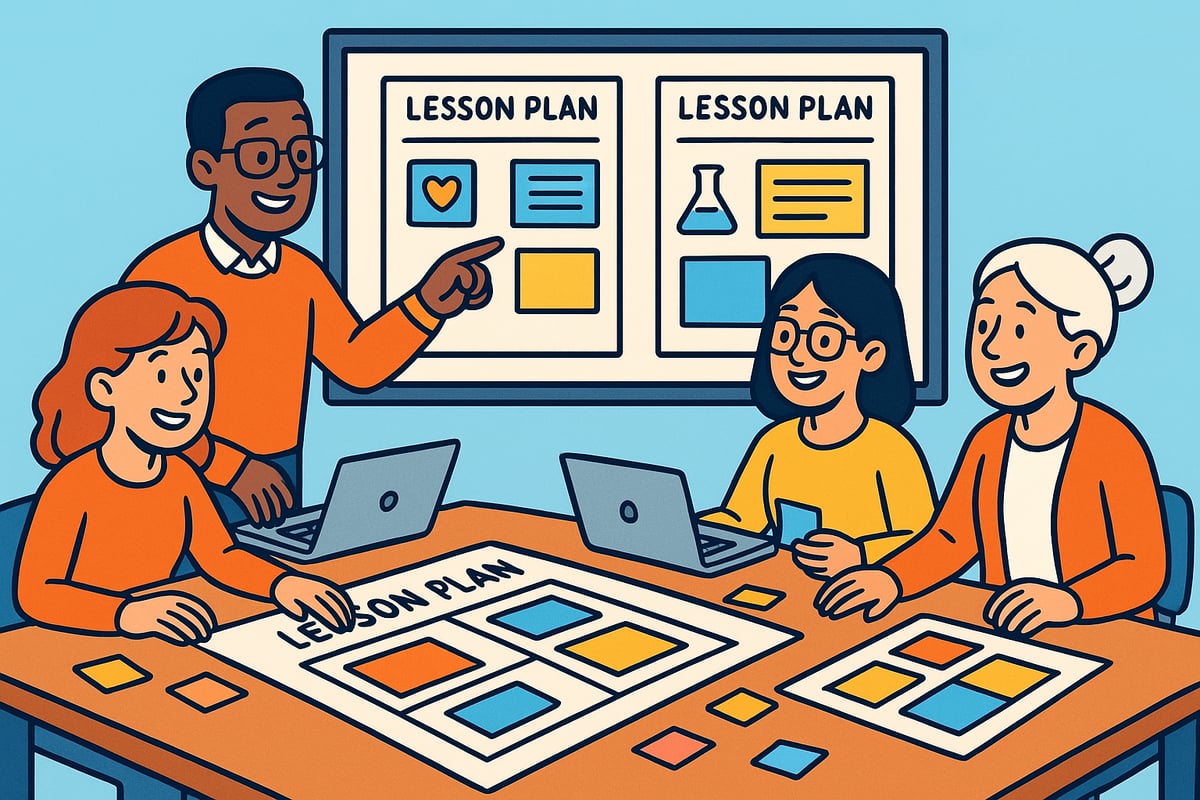
Customizing Plan Lesson Examples for Your Unique Classroom
Start by reviewing plan lesson examples and identifying which elements align with your students’ interests, grade level, and subject needs. Modify activities, materials, and assessments to match your classroom context. For example, early childhood educators might benefit from lesson planning for early childhood, which offers age-appropriate templates and strategies.
Consider incorporating student choice, cultural relevance, and current events to make lessons more engaging. For multi-age or mixed-ability groups, adjust the complexity of tasks and provide scaffolding where needed. This ensures that plan lesson examples remain flexible and inclusive.
- Review and adapt objectives
- Select resources that suit your students
- Adjust pacing and instructional strategies
Aligning Plan Lesson Examples with Standards and Student Needs
Effective lesson planning requires alignment with school or district standards. Start by mapping plan lesson examples to curriculum frameworks such as Common Core or NGSS. This ensures your lessons address required competencies while maintaining creativity.
Use formative assessments to gather feedback and track progress. Adjust your plan lesson examples based on student performance and interests. Reflection is key—regularly review what works and refine accordingly. For a comprehensive approach, explore Strategies for Effective Lesson Planning, which highlights best practices for setting clear objectives and integrating standards.
- Align lesson objectives with curriculum requirements
- Use assessment data to inform instruction
- Reflect and iterate for continuous improvement
Leveraging Digital Tools and Collaboration
Digital platforms make it easier to personalize and share plan lesson examples. Utilize collaborative tools such as Google Sheets, interactive apps, or learning management systems to co-create and refine lesson plans with colleagues. These tools support version control, streamline updates, and encourage peer feedback.
Engage in professional learning communities to exchange ideas and gather input on your plan lesson examples. Sharing successes and challenges helps build a culture of continuous improvement. Encourage team members to adapt templates and document what works in your context.
- Collaborate on digital lesson templates
- Share adaptations with teaching teams
- Use technology for version tracking and feedback
Adapting Plan Lesson Examples for Different Formats
Teaching environments are always evolving. Adapt plan lesson examples for in-person, hybrid, or virtual classrooms by modifying activities and assessments as needed. For example, convert hands-on experiments into virtual simulations or group discussions into online forums.
Gather feedback from students and families to ensure adaptations meet their needs. Remember, teachers who personalize plan lesson examples consistently report higher student satisfaction and outcomes.
Future Trends in Lesson Planning for Teachers
The future of lesson planning is rapidly evolving, shaped by advances in technology, shifting educational priorities, and the need for adaptable classrooms. As 2026 approaches, educators are exploring how AI, data analytics, and innovative plan lesson examples can transform teaching and learning for the better.
Artificial intelligence is at the forefront, offering tools that help teachers personalize instruction, automate routine tasks, and analyze student data for targeted support. Many schools are already piloting AI-powered generators to create differentiated plan lesson examples that save time and address individual needs. For a deeper dive into how AI is changing the teaching landscape, explore “Empowering Educators: Leveraging AI to Revolutionize Lesson Planning”.
Data analytics is becoming a staple in monitoring student progress. Teachers use real-time insights to adjust instruction, ensuring that plan lesson examples are always relevant and effective. This shift allows for more immediate feedback and supports a culture of continuous improvement.
Interdisciplinary and project-based learning models are also gaining momentum. These approaches encourage students to apply knowledge across subjects and engage in meaningful, real-world projects. For educators seeking innovative ways to design plan lesson examples that foster collaboration and creativity, Project-based learning lesson plans offer practical inspiration and resources.
In addition, there is a growing focus on social-emotional learning and global competencies within lesson plans. Teachers are embedding well-being, empathy, and problem-solving into daily instruction, preparing students for a complex, interconnected world. Professional development remains vital, as educators need ongoing support to master new tools and methodologies.
As lesson planning continues to evolve, teachers who embrace these future trends will be best positioned to create dynamic, effective plan lesson examples that inspire student success in 2026 and beyond.
As you explore these innovative lesson plan examples, imagine how seamlessly adaptive learning could fit into your own teaching journey. With tools that adjust to each child’s level, interests, and location, creating engaging and effective lessons becomes not just possible, but truly rewarding. Whether you’re guiding students through hands on projects or supporting learning on the go, you deserve resources that empower both you and your learners. Ready to take the next step toward more personalized, dynamic lesson planning? Create Your Free Account and start shaping unforgettable learning experiences today.