Imagine turning every journey into a world-class classroom, where borders blur and learning comes alive for every student. In 2025, educators are reimagining how to bring the world into their classrooms by using a travel lesson plan to spark curiosity and global awareness.
This guide provides a clear roadmap for designing engaging travel lesson plans that foster real-world knowledge. You will discover the value of travel-based learning, explore essential components of effective lesson plans, and follow a practical step-by-step creation process.
We will also cover the integration of technology, assessment strategies, and best practices. Let the transformative power of travel inspire you to create unforgettable learning experiences that prepare students for a rapidly changing world.
Understanding the Value of Travel-Based Learning
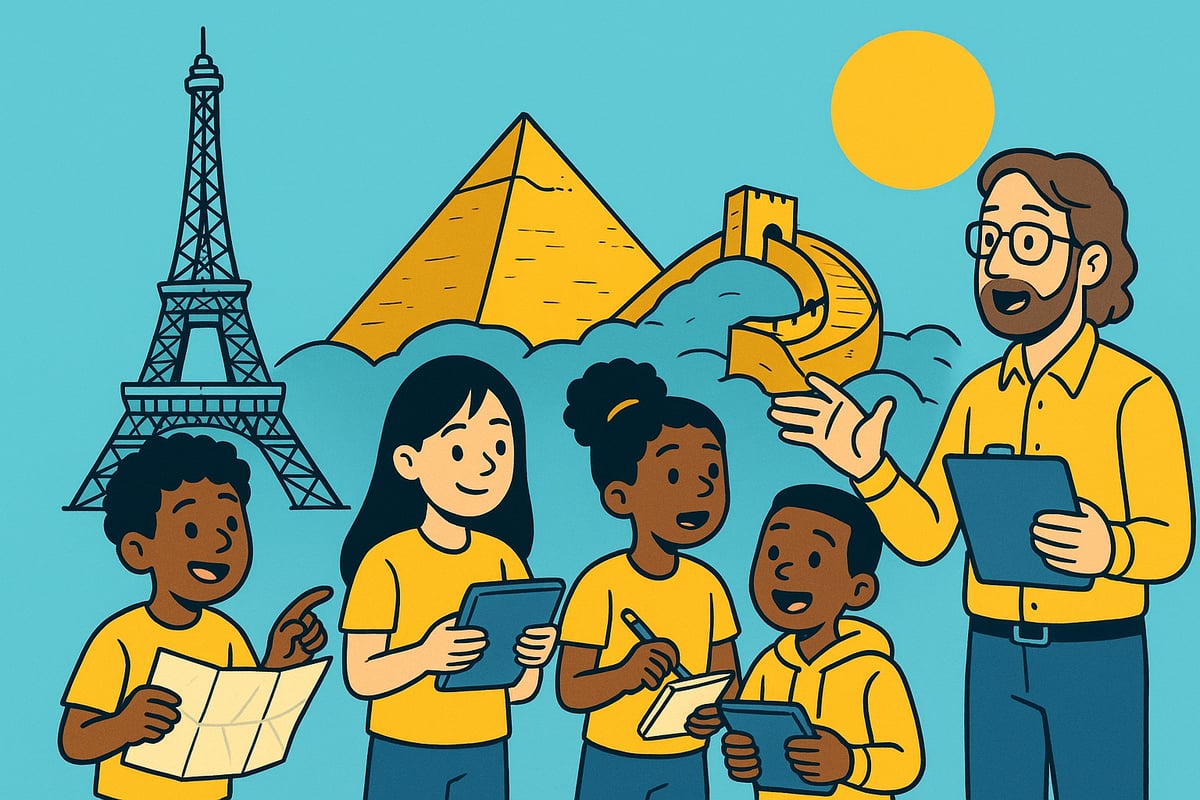
Travel-based learning is an experiential, place-based approach that transforms how students connect with the world. Unlike traditional classroom methods, this model immerses learners in real-life environments, encouraging exploration beyond textbooks. Whether it is a student exchange, a local field trip, or a virtual tour, travel-based learning brings lessons to life and fosters a deeper understanding of content. In today’s interconnected world, this approach cultivates global citizenship and prepares students with essential 21st-century skills.
Defining Travel-Based Learning in Modern Education
Travel-based learning is rooted in experiential and place-based education. It emphasizes learning through direct engagement with new locations, cultures, and communities. This approach stands apart from traditional classroom instruction by prioritizing real-world experience over theoretical knowledge.
Educators use travel lesson plan strategies such as student exchanges, field trips, and virtual explorations to make learning tangible. These activities foster curiosity and adaptability, essential traits for global citizens. In an era where global awareness is vital, travel-based learning helps students develop the skills they need for a rapidly changing world.
Key Benefits for Students and Educators
A well-designed travel lesson plan delivers significant benefits for both students and educators. Students develop cultural awareness and empathy by stepping outside their comfort zones. Critical thinking and adaptability flourish when learners face unfamiliar challenges. Engagement and retention rise, with 78% of students reporting higher motivation after travel-based projects (Edutopia, 2023).
According to the Social Impact of Student Travel, travel experiences enhance academic performance and social-emotional growth. Educators also benefit from fresh teaching perspectives, increased student participation, and unique professional development opportunities. These advantages make travel-based learning a powerful tool in today’s education landscape.
Addressing Common Challenges
Planning a travel lesson plan involves overcoming several challenges. Logistical hurdles such as budgeting, permissions, and safety protocols require careful coordination. Educators must also ensure curriculum alignment and standards compliance, which can be complex when learning happens outside the classroom.
Inclusivity is another key consideration. Students have different needs, so lesson plans must accommodate disabilities, health conditions, or financial limitations. Solutions include flexible itineraries, accessible resources, and proactive communication with families. By anticipating obstacles and planning accordingly, educators can create meaningful, inclusive travel experiences for all learners.
Travel Lesson Plans vs. Traditional Lesson Plans
The structure and objectives of a travel lesson plan differ significantly from those of traditional lesson plans. Travel-based plans are designed for flexibility and adaptability, accommodating changes in schedule, environment, or group needs.
| Feature | Travel Lesson Plan | Traditional Lesson Plan |
|---|---|---|
| Setting | Real-world/virtual sites | Classroom |
| Flexibility | High | Moderate |
| Objectives | Interdisciplinary, global | Subject-specific |
| Assessment | Experiential, reflective | Test-based, theoretical |
For example, a history class might visit a heritage site for hands-on exploration, while a traditional approach relies on textbooks and lectures. This flexibility supports deeper engagement and lasting learning.
Trends in Travel Education for 2025
Looking ahead to 2025, travel lesson plan design is evolving rapidly. Virtual and hybrid travel experiences are on the rise, allowing students to explore distant places without leaving their communities. Sustainability and ethical travel are now central themes, encouraging learners to consider their impact on the world.
Interdisciplinary content is increasingly integrated, connecting science, history, language, and the arts. These trends ensure that travel-based learning remains relevant, accessible, and impactful for diverse student groups. By embracing innovation, educators can prepare students for a globally connected future.
Core Elements of an Effective Travel Lesson Plan
Designing a robust travel lesson plan involves a careful balance of structure, flexibility, and student-centered strategies. Each element works together to create meaningful, safe, and globally relevant learning experiences. Let us explore the core components that make a travel lesson plan truly effective.

Setting Clear Objectives and Learning Outcomes
Every effective travel lesson plan begins with well-defined objectives. These should address academic, social, and personal growth, ensuring alignment with curriculum standards and competencies.
For example, in a science-focused travel lesson plan, objectives might include: understanding local ecosystems, practicing field data collection, and developing teamwork. In a history lesson, goals could center on analyzing primary sources at a heritage site.
A clear travel lesson plan also allows for measurable outcomes, making assessment more straightforward. For practical advice on structuring your objectives and outcomes, see these Worldschool lesson planner tips.
Integrating Cultural and Global Perspectives
A travel lesson plan is enriched by embedding cultural literacy and global awareness throughout each activity. This might mean collaborating with local communities, inviting guest experts, or organizing language immersion sessions.
Examples include visiting heritage sites, participating in cultural workshops, or connecting virtually with students abroad. These approaches foster respect, empathy, and a broader worldview within the travel lesson plan.
Encourage students to ask questions about local customs and compare them to their own experiences. Such integration prepares learners for global citizenship and cross-cultural understanding.
Building Flexibility and Adaptability
Travel can be unpredictable, so an effective travel lesson plan must anticipate changes. Design activities that can shift based on weather, transportation, or health considerations.
Prepare contingency plans, such as indoor alternatives or virtual tours, in case the original itinerary becomes impossible. Adaptive learning pathways can help students of different abilities stay engaged, whether in person or online.
Flexibility also means allowing students to pursue personal interests within the travel lesson plan, supporting differentiated instruction and maximizing engagement.
Ensuring Safety and Inclusivity
Prioritizing safety is essential for any travel lesson plan. Conduct thorough risk assessments, establish emergency protocols, and communicate plans clearly with all stakeholders.
Inclusivity means accommodating students with disabilities or health needs, providing accessible transportation, and offering alternative activities as needed. Use checklists to ensure every student’s needs are met.
Accessible resources and thoughtful planning ensure that the travel lesson plan is a positive, safe, and inclusive experience for everyone.
Incorporating Reflective and Experiential Activities
A travel lesson plan should include structured opportunities for reflection and hands-on learning. Activities like journaling, group discussions, and creative projects help students process their experiences and connect them to learning objectives.
Debrief sessions, multimedia storytelling, and student-led presentations can deepen understanding and foster critical thinking. Encourage learners to document their journeys through photos, sketches, or digital portfolios.
These experiential elements make the travel lesson plan memorable, meaningful, and impactful for all participants.
Step-by-Step Guide to Creating a Travel Lesson Plan
Embarking on a travel lesson plan requires careful planning, creativity, and a focus on student outcomes. Each step, from selecting destinations to measuring impact, shapes a meaningful learning experience. Follow this practical guide to build a travel lesson plan that is both inspiring and effective.
Step 1: Identifying Learning Goals and Destinations
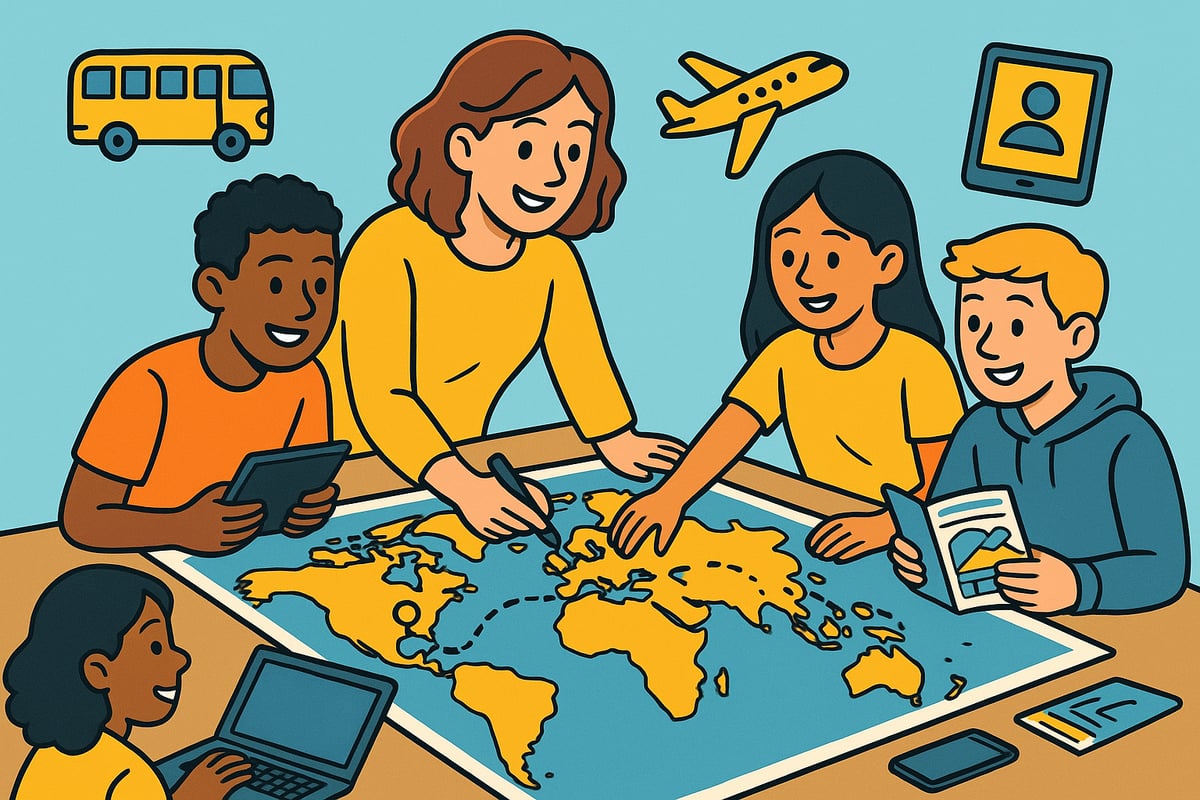
The first step in crafting your travel lesson plan is to define clear learning goals. Consider academic objectives, such as mastering historical concepts, and personal growth targets, like building teamwork skills. Align these outcomes with curriculum standards to ensure your travel lesson plan delivers measurable value.
Selecting a destination is equally crucial. Choose sites that reinforce your learning objectives and offer rich educational experiences. For example, a history class might visit a local museum, while a science class explores a botanical garden. Assess logistical factors—travel time, cost, and accessibility—to ensure the trip is feasible for all students.
For educators seeking adaptable frameworks, the Flexible worldschooling curriculum guide offers insights on aligning destinations with diverse learning needs. By integrating these approaches, your travel lesson plan will lay a strong foundation for meaningful exploration.
Step 2: Researching and Collaborating with Local Resources
Once your travel lesson plan has a destination, research is key. Investigate local resources that can enrich the experience. Identify museums, cultural centers, or scientific institutions that align with your objectives. Reach out to local experts, guides, or community leaders who can provide authentic insights.
Collaboration is essential for a comprehensive travel lesson plan. Consider inviting guest speakers or arranging guided tours. Gather authentic materials—artifacts, documents, or data samples—to enhance relevance. These partnerships not only deepen student understanding but also foster real-world connections.
Document all contacts and resources in your travel lesson plan for easy reference. This organized approach ensures that every educational opportunity is maximized during your journey.
Step 3: Designing Pre-Trip, On-Site, and Post-Trip Activities
A well-rounded travel lesson plan includes structured activities before, during, and after the trip. Start with pre-trip assignments such as research projects, safety briefings, and student goal-setting. These tasks prepare learners and set expectations.
On-site, focus on hands-on exploration. Encourage students to engage in interviews, collect data, or participate in field experiments. For example, a science field study might involve gathering samples and analyzing data in real time.
After returning, post-trip activities are vital. Assign reflection papers, group presentations, or peer teaching sessions. These help students process experiences and connect them to learning goals. By designing each phase intentionally, your travel lesson plan fosters engagement, retention, and critical thinking.
Step 4: Integrating Technology and Digital Tools
Modern travel lesson plans are enriched by technology. Use navigation and translation apps to support logistics and communication. Encourage students to document their experiences using digital cameras, tablets, or smartphones.
Virtual reality (VR) can transport students to destinations otherwise out of reach. For instance, a VR field trip to a historical site can supplement physical travel. Digital portfolios and multimedia projects allow learners to showcase their work and reflect creatively.
According to recent studies, 62% of educators use mobile apps for field-based learning. Integrating these tools into your travel lesson plan not only streamlines the process but also enhances student engagement and accessibility.
Step 5: Planning Assessments and Measuring Impact
Assessment is integral to any travel lesson plan. Use formative strategies like observations, journals, and group check-ins to monitor progress throughout the journey. Summative assessments, such as final presentations or reports, capture overall achievement.
Develop clear rubrics that align with your objectives. Consider self-assessment and peer feedback to promote reflection and accountability. This balanced approach ensures your travel lesson plan measures both academic growth and personal development.
Collect feedback from students and parents to evaluate the trip’s effectiveness. Use these insights to refine future travel lesson plans for even greater impact.
Step 6: Managing Logistics, Permissions, and Safety
The final step in your travel lesson plan is managing logistics and ensuring safety. Prepare permission slips, secure travel insurance, and compile emergency contact lists. Plan transportation and accommodations with attention to student needs and accessibility.
Establish clear communication protocols with parents, school administrators, and chaperones. Conduct risk assessments and review emergency procedures with all participants. By addressing these details, your travel lesson plan creates a secure environment where students can focus on learning.
Proactive planning reduces stress and builds confidence for educators, students, and families. With thorough logistics, your travel lesson plan will run smoothly and deliver memorable educational experiences.
Integrating Technology in Travel Lesson Plans
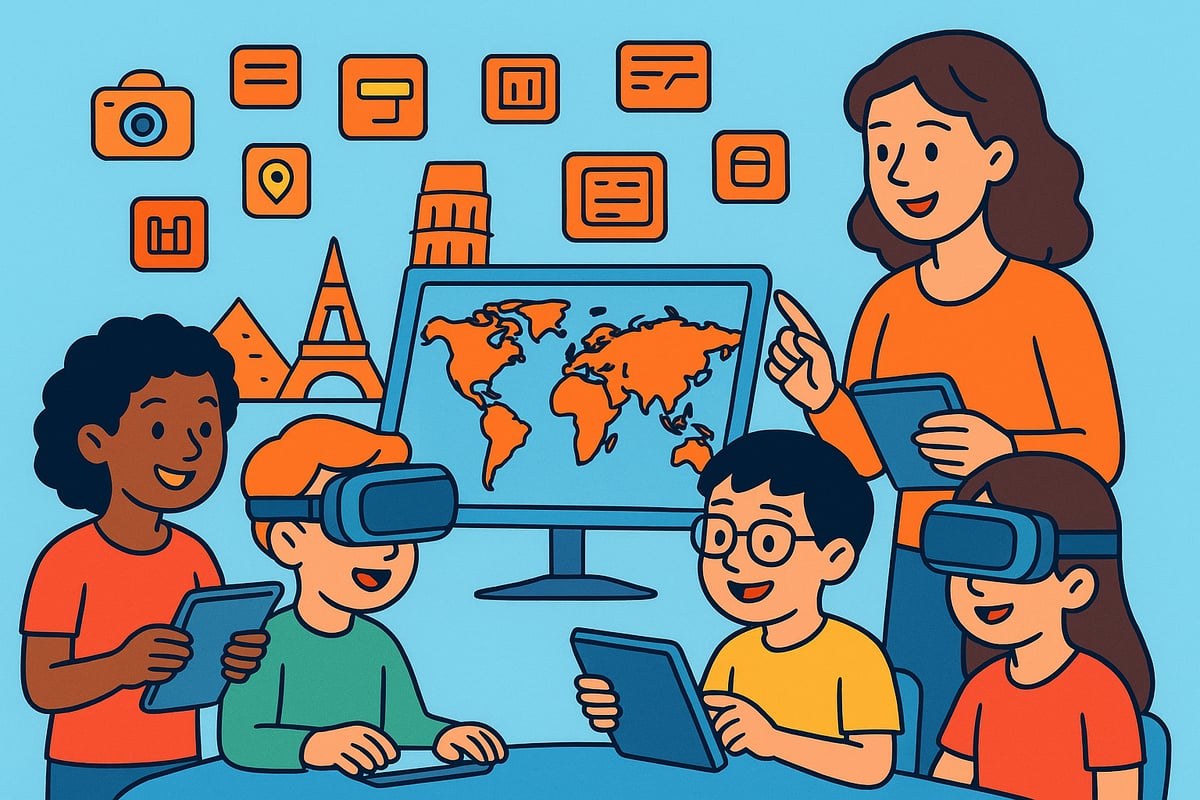
Technology is transforming how educators design and deliver every travel lesson plan. By harnessing digital tools, teachers can make field-based learning more interactive, inclusive, and impactful. The following strategies showcase how to seamlessly infuse technology into your travel lesson plan, ensuring students gain the most from every journey.
Leveraging Mobile Apps and Digital Platforms
Integrating mobile apps and digital platforms into your travel lesson plan opens up new possibilities for engagement and organization. Navigation tools like Google Maps, translation apps, and collaborative platforms such as Padlet help students actively participate and document their experiences.
Educators can use apps for real-time communication, progress tracking, and sharing resources. For those seeking to streamline the process, exploring AI tools for lesson planning can simplify planning, collaboration, and content delivery. With the right digital platforms, your travel lesson plan becomes more adaptive and accessible for every learner.
Virtual and Augmented Reality Experiences
Virtual and augmented reality are revolutionizing the travel lesson plan by bringing the world directly to your classroom. VR field trips allow students to visit museums, historical landmarks, or unique ecosystems, even if travel is not possible. For interactive learning, AR scavenger hunts overlay digital clues on real-world environments, making exploration both fun and educational.
These technologies break down barriers, giving all students access to global experiences. By incorporating VR and AR, your travel lesson plan can reach students in remote or underfunded schools, ensuring equity in educational opportunities.
Digital Documentation and Storytelling
A travel lesson plan thrives when students document and reflect on their journeys. Digital tools like blogs, vlogs, and online scrapbooks encourage creative storytelling and help students process what they learn. Educators can guide learners to create multimedia journals, combining photos, videos, and written reflections.
Privacy and digital citizenship are essential considerations. Teach students how to share responsibly and protect their digital identities. When digital storytelling is woven into a travel lesson plan, it deepens engagement and strengthens communication skills.
Data Analytics and Adaptive Learning Tools
Using data analytics and adaptive learning tools enhances the effectiveness of any travel lesson plan. Platforms can track student engagement, monitor progress, and provide personalized feedback based on individual learning needs. Adaptive quizzes and interactive assignments help differentiate instruction, ensuring all students are supported.
These tools empower educators to make informed decisions, adjust activities, and measure impact. By leveraging analytics, your travel lesson plan becomes a dynamic, responsive roadmap for student growth and achievement.
Assessment and Evaluation Strategies for Travel-Based Learning
Assessing a travel lesson plan requires thoughtful strategies that capture both academic achievement and personal growth. By combining multiple evaluation methods, educators can ensure every student's progress is visible and meaningful.
Formative and Summative Assessments
Effective assessment in a travel lesson plan blends formative and summative approaches. Formative assessments include regular observations, quick check-ins, and student journals. These help teachers adjust activities in real time.
Summative assessments often appear as final reports, presentations, or group projects. These tasks demonstrate deep learning and application. Balancing both types allows for a full picture of student growth.
Qualitative methods, such as anecdotal notes or creative outputs, can be paired with quantitative tools like rubrics and checklists. According to Experiential Learning Statistics 2025, experiential projects lead to higher retention and critical thinking, showing the value of robust assessment in travel lesson plans.
Student Self-Assessment and Reflection
Student self-assessment is a vital part of any travel lesson plan. Guided reflection prompts help learners process their experiences and connect them to learning goals.
Teachers can use self-evaluation rubrics, encouraging students to rate their skills and participation. Peer feedback is also powerful, offering new perspectives and fostering collaboration.
Reflection journals are especially effective after travel activities. Students write about challenges, surprises, and growth, making learning personal and memorable.
Measuring Impact on Academic and Personal Growth
A well-designed travel lesson plan should measure both academic skills and personal development. Educators track progress in areas such as communication, adaptability, and problem-solving.
Surveys and feedback forms from students and parents provide valuable insights. For example, 85 percent of educators report increased student confidence after travel-based learning experiences, supporting the transformative power of these programs. Education Through Travel Insights explores these benefits in depth.
Monitoring growth helps teachers refine future travel lesson plans for even better results.
Addressing Equity and Accessibility in Assessment
Equity and accessibility must be central in every travel lesson plan assessment. Modify tasks for students with different abilities, learning styles, or backgrounds.
Offer multiple ways to show understanding, such as oral presentations, videos, or creative projects. Ensure remote or hybrid participants have equal opportunities through digital tools and flexible deadlines.
Fair evaluation requires clear rubrics and ongoing communication with families. By prioritizing inclusivity, travel lesson plans can benefit every learner.
Best Practices and Resources for Educators
Empowering students through a travel lesson plan requires more than just logistics. Educators need strong partnerships, ongoing training, creative funding solutions, and access to the best resources. Each of these pillars supports a sustainable, enriching travel lesson plan that delivers real-world impact.
Building Partnerships and Community Involvement
A successful travel lesson plan thrives on strong collaboration with community partners. Local organizations, museums, and families can provide authentic experiences that deepen learning. For example, partnering with an environmental NGO for a clean-up project or inviting a local historian to speak enriches the curriculum.
Consider exploring Approaches to global education to discover diverse strategies for integrating community involvement into your travel lesson plan. Service projects, cultural exchanges, and guest speakers all help students connect classroom theory with real-world practice.
Involving parents and local experts creates a support network, ensuring inclusive and meaningful participation for every student.
Professional Development and Training
Ongoing professional development is essential for educators designing a travel lesson plan. Workshops, webinars, and certifications focused on experiential or global education keep teaching strategies current and effective. Peer mentoring and knowledge-sharing networks enable teachers to exchange ideas, troubleshoot challenges, and celebrate successes.
Utilizing resources like Planning Effective Lessons can help educators build skills in setting clear objectives and measuring outcomes within a travel lesson plan framework. Staying updated on best practices ensures lessons remain dynamic, safe, and student-centered.
Investing in training empowers educators to confidently lead enriching travel experiences.
Accessing Funding and Grants for Travel Programs
Securing funding is often a challenge when implementing a travel lesson plan. However, a range of grants, scholarships, and sponsorships are available to support educational travel. Organizations like National Geographic and local education foundations offer competitive awards for innovative proposals.
Tips for success include:
- Aligning your travel lesson plan with sponsor goals
- Detailing anticipated student outcomes
- Demonstrating community engagement
Encourage students to participate in fundraising efforts, fostering ownership and teamwork. Research regional and national opportunities regularly, as deadlines and criteria may change annually.
Curated Resource List: Books, Websites, and Tools
Access to high-quality resources is vital for creating an impactful travel lesson plan. Consider this curated list:
Books:
- "The Global Educator" by Julie Lindsay
- "Place-Based Education" by David Sobel
Websites:
- Edutopia (lesson ideas and case studies)
- National Geographic Education (fieldwork resources)
Tools:
- Google Earth (virtual field trips)
- Padlet (collaborative project boards)
- Flipgrid (student video reflections)
These resources support lesson design, management, and reflection, helping educators deliver engaging and effective travel lesson plans.
As you reflect on how travel can transform learning and help students grow into globally aware citizens, it’s clear that having adaptable tools and resources is essential. With LearnSpark, you can design lesson plans that follow your students’ interests, track progress in real time, and confidently guide learning no matter where in the world you are. If you’re ready to make every journey an unforgettable educational experience, I invite you to take the next step—Create Your Free Account and see how effortless travel-based lesson planning can be for you and your students.